
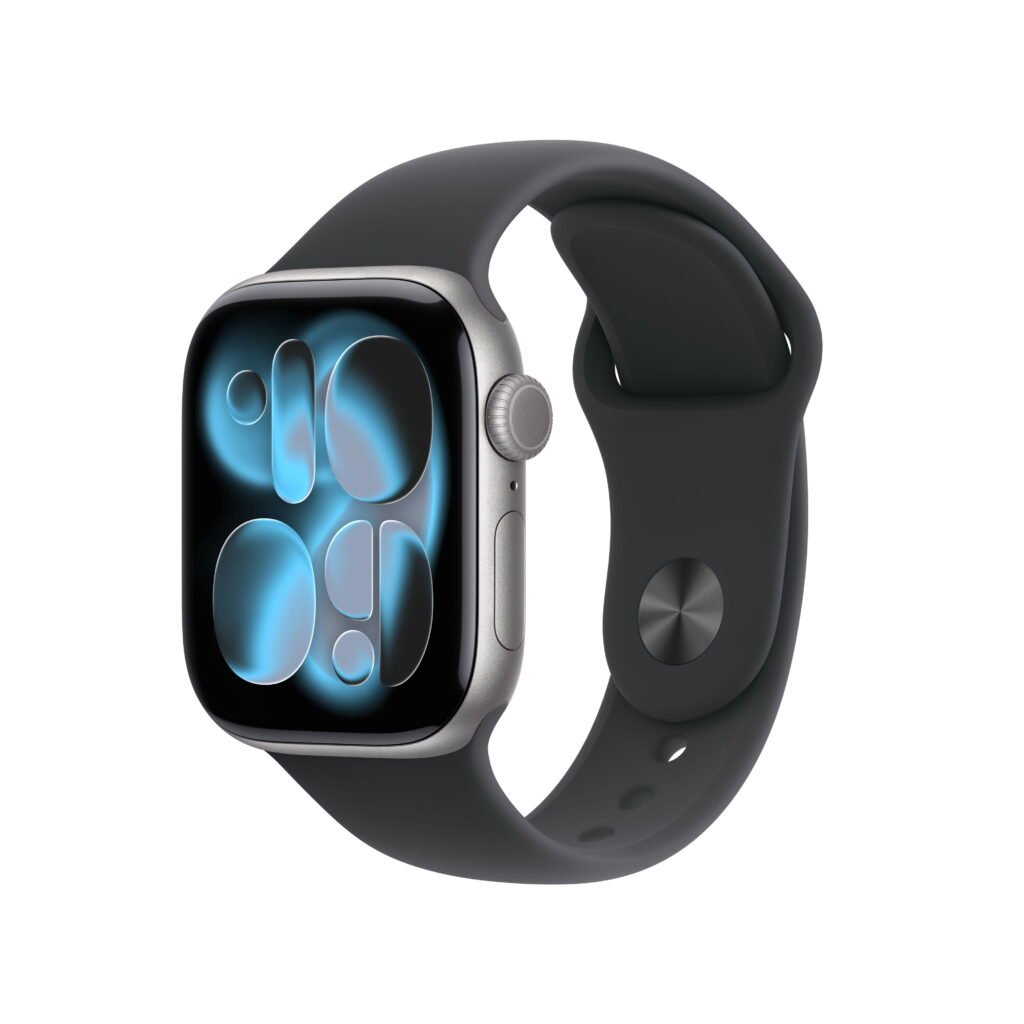

⭐ Our Pick: Apple Watch Series 11 — 4.5/5
Best for: iPhone owners who want the most polished smartwatch experience — bright display, deep health tracking, and seamless Apple ecosystem integration.
Skip if: You use Android (it only works with iPhone), or you want a watch that lasts a week on one charge — look at the Garmin Venu 4 or Amazfit Active 2 instead.
As an Amazon Associate we earn from qualifying purchases. How we research.
Best Smartwatches (2026) — 6 Top Picks Compared
A good smartwatch quietly does three jobs: it keeps your phone in your pocket, it watches your health in the background, and it gets you out the door for a run without excuses. A bad one does none of those — it dies by dinner, nags you with junk notifications, and ends up in a drawer.
We compared six of the most popular smartwatches on Amazon US for 2026 — covering Apple, Samsung, Google, Garmin, and Amazfit — looking at display quality, battery life, health and fitness tracking, phone compatibility, and real-world value. Specs were verified against current Amazon listings (October 2026).
The short answer: the Apple Watch Series 11 is our top pick for iPhone users — the brightest everyday display here, the most complete health feature set, and the tightest phone integration. For Android users, the Samsung Galaxy Watch 7 is the equivalent pick, while the Garmin Venu 4 wins on battery life and serious training tools, and the Amazfit Active 2 delivers shockingly good value for the price tier.
As an Amazon Associate we earn from qualifying purchases.
Quick Comparison of the Best Smartwatch
| Product | Best for | Key spec | Price tier | Our rating |
|---|---|---|---|---|
| Apple Watch Series 11 | iPhone users | 2,000-nit always-on display; ECG + blood oxygen | Premium | 4.5/5 |
| Samsung Galaxy Watch 7 | Android / Samsung phones | Exynos W1000; Galaxy AI energy score | Mid-range | 4.4/5 |
| Google Pixel Watch 3 | Pixel owners & Fitbit fans | Fitbit running tools; readiness tracking | Mid-range | 4.3/5 |
| Garmin Venu 4 | Battery life & training | Up to 10-day battery; 80+ sports apps | Premium | 4.4/5 |
| Amazfit Active 2 | Best value | 10-day battery; 2,000-nit AMOLED | Budget | 4.3/5 |
| Apple Watch SE 3 | Budget iPhone pick | S10 chip; core Apple Watch experience | Budget | 4.2/5 |
Prices change frequently — click through to see the current price.
Detailed Smartwatch Reviews
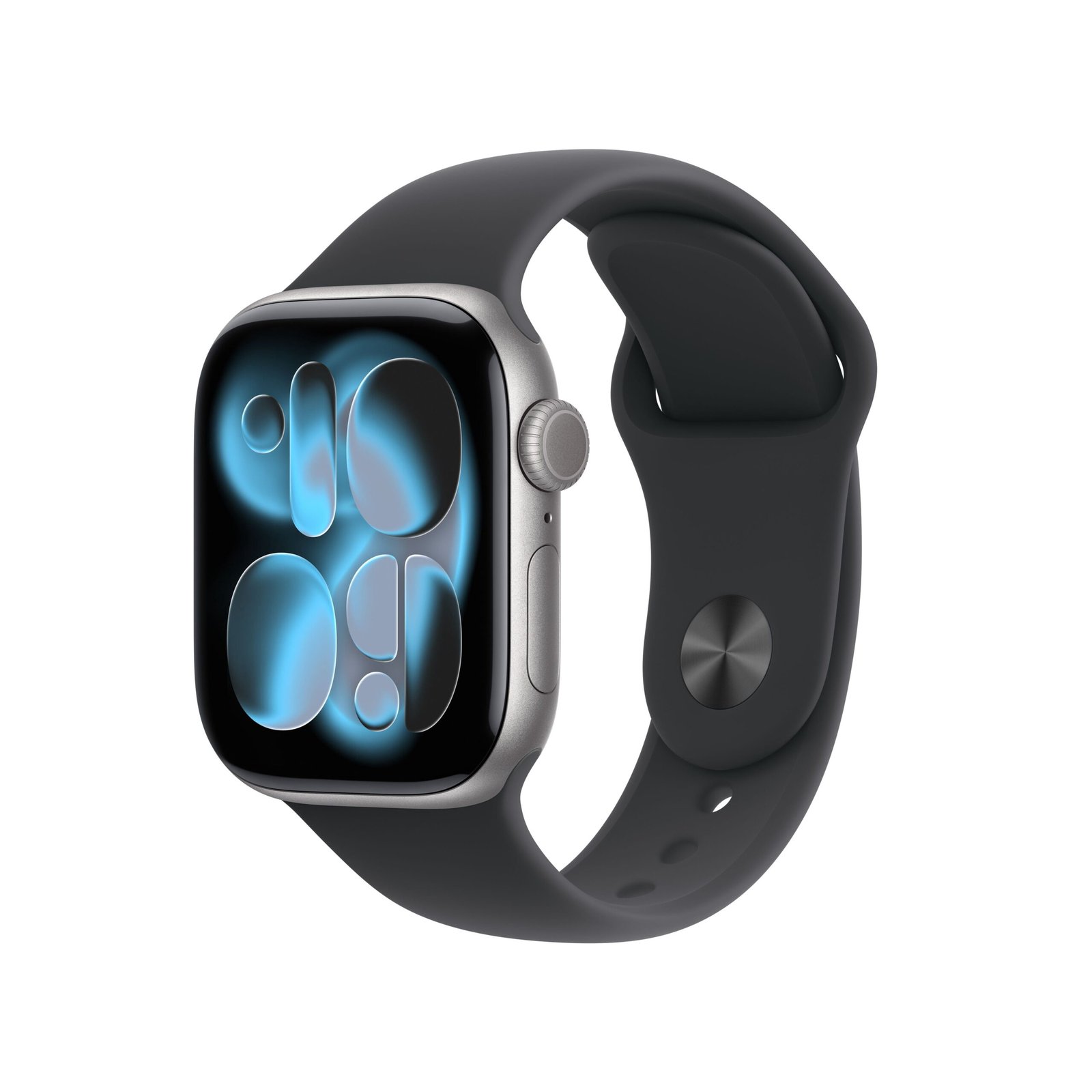
Apple Watch Series 11 — Our Top Pick
The Series 11 is the smartwatch everything else gets measured against. The headline upgrades over older models are meaningful: a brighter always-on display that stays readable in direct sun, 2x more scratch-resistant glass, noticeably longer battery life, and new health features including hypertension notifications and a sleep score. The S10 chip keeps everything fast, and watchOS remains the most polished wearable operating system you can buy.
- Display: Always-on Retina with wide-angle OLED; up to 2,000 nits peak brightness
- Chip: S10 SiP with 64GB storage; double-tap and wrist-flick gestures
- Health: ECG app, blood oxygen, sleep apnea notifications, hypertension notifications, sleep score, cycle tracking with temperature sensing
- Durability: 50m water resistance (swimproof), IP6X dust resistance
- Compatibility: iPhone only — requires a paired iPhone to set up and use
- Extras: Crash and fall detection, Emergency SOS, precision dual-frequency GPS on cellular models
Pros: Best-in-class display brightness for outdoor visibility; the most complete health tracking suite here; watchOS app ecosystem is unmatched; genuinely useful safety features; tight integration with iPhone, AirPods, and Apple services.
Cons: iPhone-only — a non-starter for Android users; battery lasts roughly a day and a half with the always-on display, far short of Garmin and Amazfit; premium price tier with titanium versions costing much more; the blood oxygen feature’s availability varies by region.
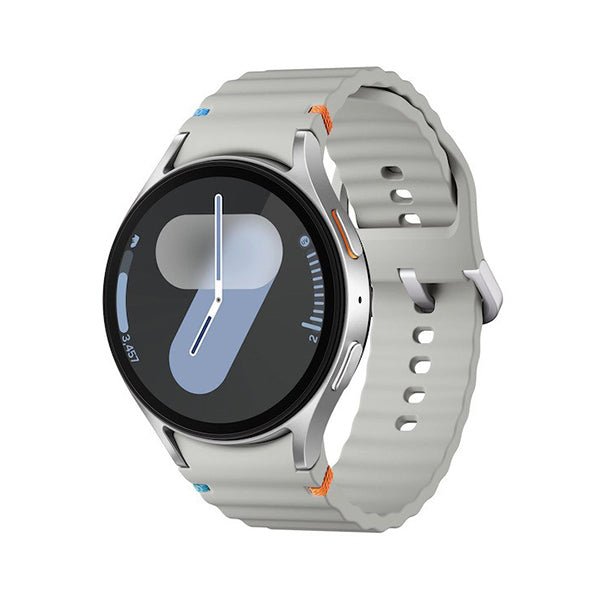
Samsung Galaxy Watch 7 — Best for Android Users
If you carry an Android phone, this is your Apple Watch equivalent. The Galaxy Watch 7 runs Wear OS 5 with Samsung’s One UI on top, packs the efficient 3nm Exynos W1000 chip, and leans hard into AI health features — including an energy score that summarizes your readiness and sleep apnea detection that Apple also now offers. The BioActive sensor handles heart rate, blood oxygen, and body composition estimates.
- Display: 1.5″ Super AMOLED (480×480); sapphire crystal glass
- Chip: Exynos W1000 (3nm); 2GB RAM + 32GB storage
- Health: BioActive sensor (HR, SpO2, body composition); ECG; sleep apnea detection; Galaxy AI energy score and wellness tips
- Fitness: Dual-frequency GPS; automatic workout detection; 100+ exercise modes
- Durability: 5ATM + IP68 water resistance; MIL-STD-810H tested
- Compatibility: Android only — does not pair with iPhones
Pros: The most capable smartwatch for Android users; Galaxy AI features genuinely add useful context to health data; sapphire crystal display glass at this price tier is rare; typically costs less than the Apple Watch Series 11; LTE versions available for phone-free runs.
Cons: Android-only — no iPhone support at all; battery life is roughly a day with always-on display, similar to Apple; some AI features require a Samsung phone and Samsung account; the 40mm version’s smaller battery needs nightly charging.

Google Pixel Watch 3 — Best for Pixel Owners and Runners
The Pixel Watch 3 is Google’s cleanest take on a smartwatch: a round, minimal design with Fitbit’s excellent fitness engine underneath. Runners get the best deal here — advanced run workouts with real-time guidance, form tracking, and personalized coaching powered by Google AI. The new readiness and cardio load metrics help you balance training and recovery without a separate app subscription for the basics.
- Display: Actua AMOLED display, twice as bright as the previous generation; 41mm and 45mm sizes
- Battery: Up to 24 hours with always-on display; up to 36 hours in battery-saver mode
- Fitness: Fitbit advanced running features — custom run workouts, real-time guidance, form tracking; readiness and cardio load scores
- Smart features: Wear OS with Google Assistant, Maps (offline), Wallet, and Nest camera/doorbell integration
- Compatibility: Android 10+ only — no iPhone support
Pros: Best-in-class running guidance and workout planning from Fitbit; clean, comfortable round design that wears smaller than it is; deep Google ecosystem integration (Maps, Assistant, Nest); offline maps for phone-free navigation on runs.
Cons: Android-only; 24-hour battery means daily charging with the always-on display on; some advanced Fitbit metrics sit behind a Fitbit Premium subscription; the 41mm model charges slower and lasts less than the 45mm; fewer third-party apps than watchOS.
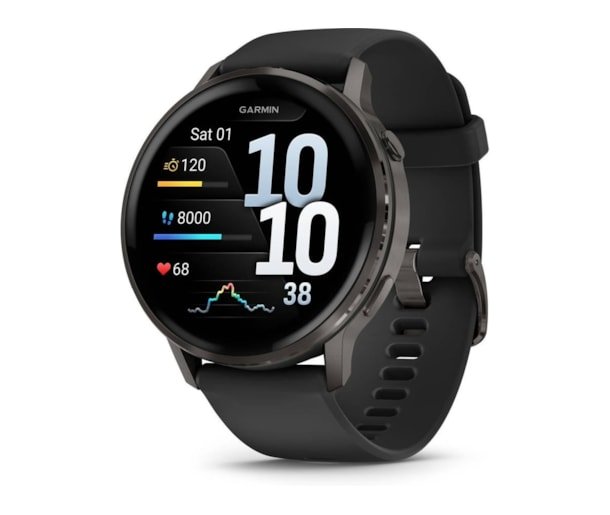
Garmin Venu 4 — Best Battery Life and Training Tools
The Venu 4 is the anti-smartwatch smartwatch: instead of trying to replace your phone, it focuses on health, training, and lasting over a week per charge. Body Battery energy monitoring, sleep alignment insights, and Garmin Coach adaptive training plans make it the most genuinely useful fitness companion here. The built-in LED flashlight is one of those features you don’t know you need until you’ve used it on a dark run.
- Display: Bright AMOLED display; stainless steel bezel; 41mm and 45mm sizes
- Battery: Up to 10 days (41mm) or 12 days (45mm) in smartwatch mode
- Health: Body Battery energy monitoring, sleep score with sleep alignment, HRV status, stress tracking, health status trend alerts
- Training: 80+ built-in sports apps, Garmin Coach adaptive plans, daily suggested workouts, animated on-watch workouts
- Extras: Built-in LED flashlight; music storage; Garmin Pay; works with iPhone and Android
Pros: Multi-day battery life embarrasses every other watch here; the most serious training and recovery analytics; works with both iPhone and Android; Body Battery is genuinely useful for planning hard days; no subscription required for core metrics.
Cons: The app ecosystem is thin compared to watchOS and Wear OS — don’t expect your favorite apps; the interface feels utilitarian next to Apple and Samsung; premium price tier without the premium smart features; touchscreen plus button controls take a few days to learn.
Check price: Garmin Venu 4 on Amazon →
Amazfit Active 2 — Best Value
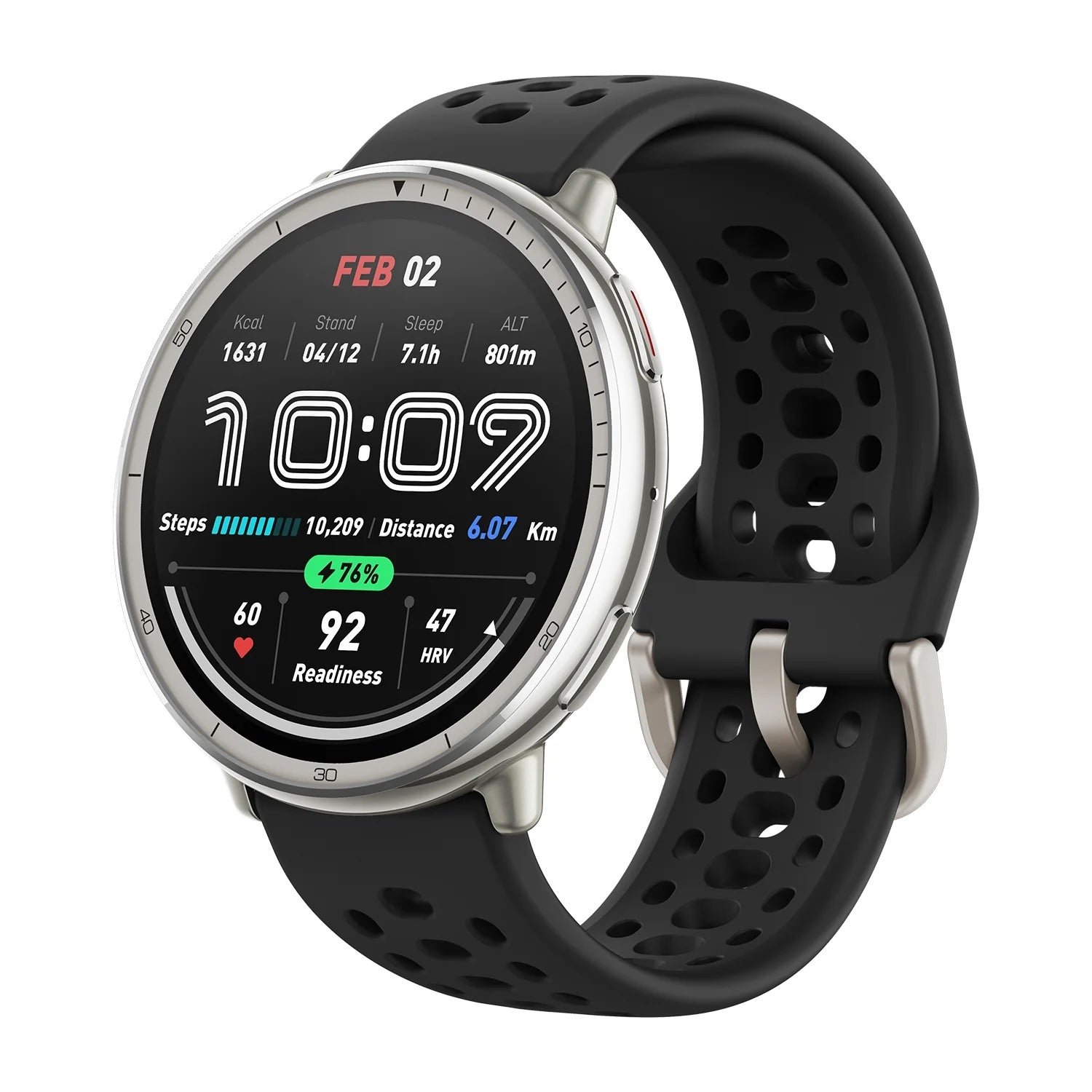
The Active 2 is the price-performance disruptor of this roundup. A stainless steel case, a 2,000-nit AMOLED display, dual-band GPS, 160+ workout modes, free offline maps, and 10-day battery life — at a budget price tier that undercuts everything else here by a wide margin. The Zepp app is free and surprisingly capable, with AI voice control and detailed sleep and training insights.
- Display: 1.32″ AMOLED, 2,000 nits peak brightness; stainless steel 44mm case
- Battery: Up to 10 days typical use
- Fitness: 160+ workout modes; dual-band GPS with free offline maps; BioTracker heart rate and SpO2
- Smart features: Bluetooth calling, music control, Zepp Flow AI voice assistant; works with iPhone and Android
- Extras: 5ATM water resistance; 400+ free watch faces; speaker and microphone
Pros: Extraordinary value — flagship-style hardware at a budget price; 10-day battery with an always-on-capable AMOLED; dual-band GPS accuracy rivals watches costing far more; no subscription needed; works with both phone platforms.
Cons: Third-party app support is minimal; the Zepp app, while good, isn’t as polished as Apple Health or Samsung Health; no ECG; heart-rate accuracy during high-intensity intervals trails the best sensors here; brand recognition and long-term software support are weaker than the big three.
Check price: Amazfit Active 2 on Amazon →
Apple Watch SE 3 — Best Budget Pick for iPhone Users
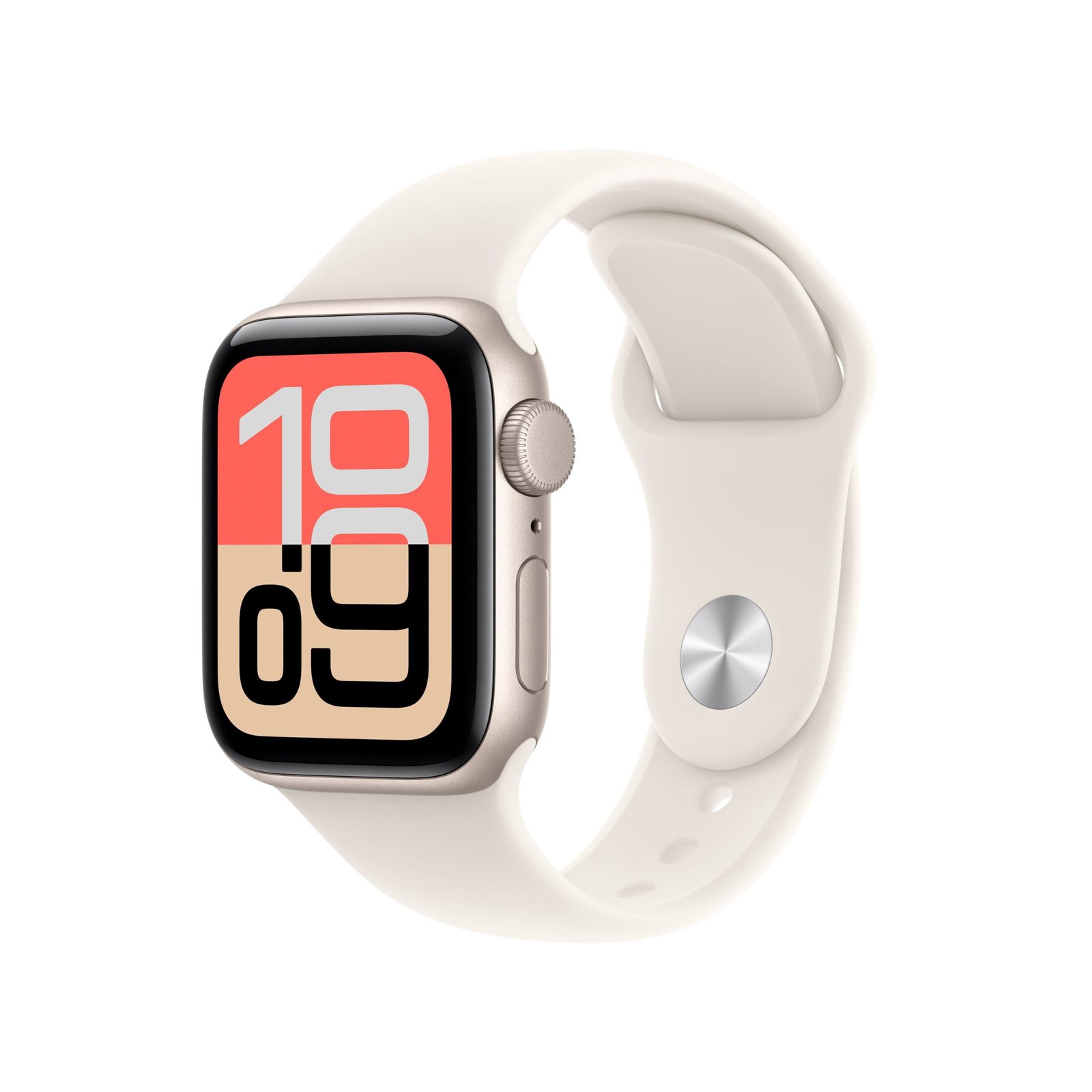
The SE 3 is Apple’s answer to “I want an Apple Watch but not the Apple Watch price.” You get the same S10 chip as the Series 11, the core watchOS experience, fall and crash detection, and the same seamless iPhone integration — in a simpler package with a dimmer display and fewer health sensors. For notifications, fitness basics, and Apple Pay on your wrist, it’s most of the experience for much less.
- Display: Retina OLED, up to 1,000 nits; 40mm and 44mm aluminum cases
- Chip: S10 SiP — same processor family as the flagship
- Health: Heart rate, sleep tracking, cycle tracking; fall and crash detection; Emergency SOS
- Missing vs Series 11: No ECG app, no blood oxygen, no always-on display, no hypertension notifications
- Compatibility: iPhone only
Pros: The cheapest way into the Apple Watch ecosystem; same fast chip and smooth watchOS as the flagship; all the safety features (fall/crash detection, Emergency SOS); great for kids or first-time smartwatch buyers; solid fitness tracking for the price tier.
Cons: No always-on display — you have to raise your wrist; missing the advanced health sensors that justify the Series 11; dimmer screen struggles more in bright sunlight; still iPhone-only; battery life similar to the Series 11, so nightly charging.
Check price: Apple Watch SE 3 on Amazon →
How to Choose the Right Smartwatch
Start with your phone. This is the single biggest filter: Apple Watch only works with iPhone, while Samsung and Pixel watches only work with Android. Garmin and Amazfit work with both. If you pick the wrong ecosystem, nothing else matters — so decide this first.
Decide how much battery matters. Apple, Samsung, and Google watches need charging roughly every day (or every other day with the always-on display off). Garmin and Amazfit last around 10 days. If you hate chargers, travel often, or want uninterrupted sleep tracking, the long-battery watches win easily.
Match the health features to your goals. Casual wellness tracking? Any watch here covers heart rate, sleep, and steps. But if you want ECG readings, blood oxygen, or sleep apnea notifications, you need the Apple Watch Series 11 or Galaxy Watch 7. Serious runners and cyclists get more from Garmin’s training load and recovery analytics or the Pixel Watch 3’s Fitbit coaching.
Check the display. Brightness is measured in nits — higher means easier reading in sunlight. The Series 11, Galaxy Watch 7, and Amazfit Active 2 all push around 2,000 nits; the SE 3 tops out at 1,000. If you run or work outdoors, this matters more than most spec sheets suggest.
Think about size and fit. Larger cases (44–46mm) mean bigger displays and bigger batteries, but they can overwhelm smaller wrists. If you’re between sizes, try to see one in person — or check the return policy. A watch you don’t want to wear tracks nothing.
Don’t pay for features you’ll never use. Cellular models cost more upfront plus a monthly carrier fee — worth it only if you regularly leave your phone behind. Advanced running metrics are wasted if you mostly count steps. The Amazfit Active 2 exists precisely for buyers who want 80% of the experience for a fraction of the price.
Who Should Buy a Smartwatch — and Who Should Skip
Buy one if you:
- Want health and sleep insights without thinking about it — passive tracking is the real killer feature
- Exercise regularly and want training guidance, GPS routes, or recovery advice on your wrist
- Are tired of pulling your phone out for every notification, call, or payment
- Want safety features like fall detection and Emergency SOS, especially for older family members or solo athletes
Skip (or wait) if you:
- Just want step counting — a basic fitness band or even your phone does that for far less
- Hate daily charging and won’t consider the long-battery options — you’ll resent the watch within a month
- Need specialized tools (dive computer, medical-grade monitoring) — consumer watches estimate, they don’t diagnose
Pairing your new watch with the right accessories makes a difference too — see our roundups of the best wireless earbuds for workout audio and the best Bluetooth trackers if you want to keep tabs on your gear as well as your health.
Frequently Asked Questions About Smartwatch
Do I need the same brand phone as my watch?
For Apple, Samsung, and Google watches — yes. Apple Watch requires an iPhone, Galaxy Watch 7 requires Android, and Pixel Watch 3 requires Android 10 or newer. Garmin and Amazfit are the flexible options: they pair with both iPhone and Android.
How accurate are smartwatch heart rate and sleep tracking?
Good enough for trends, not for medical decisions. Wrist-based heart rate is reliable at rest and during steady exercise but can lag during intense intervals. Sleep tracking is best treated as a pattern-over-weeks tool. No consumer watch replaces a doctor — treat irregular-rhythm or apnea alerts as a prompt to get checked, not a diagnosis.
Is a cellular smartwatch worth the extra cost?
Only if you regularly exercise or go out without your phone. Cellular adds upfront cost plus a monthly carrier plan. If your phone is always in your pocket anyway, the GPS-only model does everything else identically.
Can I swim with these smartwatches?
All six handle swimming — they’re rated 5ATM/50m or IP68. That said, “water resistant” isn’t “waterproof forever”: rinse with fresh water after pool or ocean swims, and don’t press buttons underwater. Hot tubs and saunas are harder on seals than pools.
How long do smartwatches get software updates?
Apple, Samsung, and Google typically support watches for 3–5 years of major updates. Garmin supports watches for many years but with fewer feature additions over time. Amazfit’s update cadence is shorter and less predictable — part of the trade-off for the lower price.
Which smartwatch has the best battery life?
The Garmin Venu 4 and Amazfit Active 2, by a wide margin — both advertise around 10 days of typical use. Apple, Samsung, and Google watches last roughly 1–2 days depending on always-on display settings. If battery is your top priority, it’s not close.
Final Verdict: Best Smartwatch
The Apple Watch Series 11 remains the best smartwatch for most people who own an iPhone — the brightest display, the deepest health tracking, and an ecosystem no one else matches. It’s our 4.5/5 top pick because it does the most things well, even if the battery still needs nightly charging.
On Android, the Samsung Galaxy Watch 7 is the equivalent choice. Battery-first buyers should get the Garmin Venu 4, value hunters the Amazfit Active 2, runners on Pixel phones the Pixel Watch 3, and budget iPhone users the Apple Watch SE 3.
As an Amazon Associate we earn from qualifying purchases. Prices and availability change frequently — see Amazon for the latest.
How we researched: We compared specifications from current Amazon listings (verified October 2026), aggregated common pros and cons from verified-purchase reviews and tech forums, and scored the factors that matter most in a smartwatch: display, battery, health tracking, ecosystem fit, and value. Brand claims about sensor accuracy and battery life are the manufacturers’ own figures and were not independently tested by us. We did not receive free products from any brand. Last updated: October 13, 2026.
Manufacturer resources for smartwatches: Apple, Samsung, Garmin.


Pingback: Best Bluetooth Trackers: AirTag, Tile & More (2026) - Products Buy Reviews
Pingback: Best Running Shoes for Comfort & Performance (2026) - Products Buy Reviews
Pingback: Best Stylus Pens for iPad: Apple Pencil & Alternatives (2026) - Products Buy Reviews
Pingback: Best Smart Light Bulbs for Alexa & Google (2026)