

⭐ Our Pick: Brooks Ghost 16 — 4.5/5
Best for: Most runners who want one do-everything daily trainer — smooth, protective cushioning, a 16-generation pedigree, and a fit that works for beginners through marathoners.
Skip if: You need stability support (look at the ASICS Gel-Kayano 31), race-day speed (the adidas Adizero Adios Pro 4), or real trail grip (the Salomon Speedcross 6).
As an Amazon Associate we earn from qualifying purchases. How we research.
Best Running Shoes for Comfort & Performance (2026) — Compared by Use Case
There is no single “best” running shoe — there’s only the best shoe for your run. A max-cushion daily trainer that makes easy miles feel effortless will feel dead on race day; a carbon-plated racer that flies at marathon pace will beat up your legs on slow recovery jogs. Buying the wrong category is the most common and most expensive mistake runners make.
We compared 6 standout models across the four categories that actually matter — daily trainers, max comfort, stability, trail, and racing — with specs verified against current Amazon listings (October 2026) and owner feedback aggregated on fit, durability, and real-world ride. Every shoe here is a current-generation model from a major brand.
The short answer: the Brooks Ghost 16 is the safest first pick for most runners — neutral, smooth, and protective enough for daily miles without feeling clumsy. But if your feet need guidance, your trails need teeth, or your goal is a PR, the right answer is below.
As an Amazon Associate we earn from qualifying purchases.
Quick Comparison of the Best Running Shoes
| Product | Best for | Category | Key spec | Price tier | Rating |
|---|---|---|---|---|---|
| Brooks Ghost 16 | Do-everything daily miles | Daily trainer (neutral) | DNA Loft v3 foam | Mid-range | 4.5/5 |
| HOKA Clifton 10 | Plush comfort, easy miles | Max cushion | Lightweight cushioned midsole | Mid-range | 4.5/5 |
| Nike Pegasus 41 | Responsive everyday running | Daily trainer (neutral) | ReactX foam + Air Zoom | Mid-range | 4/5 |
| ASICS Gel-Kayano 31 | Overpronators, guidance seekers | Stability | 4D Guidance System | Premium | 4.5/5 |
| Salomon Speedcross 6 | Mud, soft trails, grip | Trail | 5mm lugs, Quicklace | Mid-range | 4.5/5 |
| adidas Adizero Adios Pro 4 | Half-marathon & marathon racing | Racing (carbon) | EnergyRods 2.0, Lightstrike Pro | Premium | 4.5/5 |
Prices change frequently — click through to see the current price.
How We Judged These Shoes
Running shoes are bought for jobs, not for spec sheets. So we scored each shoe against its intended use case rather than against each other: does the daily trainer disappear on easy miles? Does the stability shoe guide without intruding? Does the trail shoe hold on mud? Does the racer reward fast running? We weighted fit and comfort (the #1 reason shoes get returned), ride quality for the category, durability signals from owner feedback, and value within the category. Foam names and lug depths come from the brands’ published specs; how they feel comes from aggregated owner reports.
Detailed Running Shoes Reviews
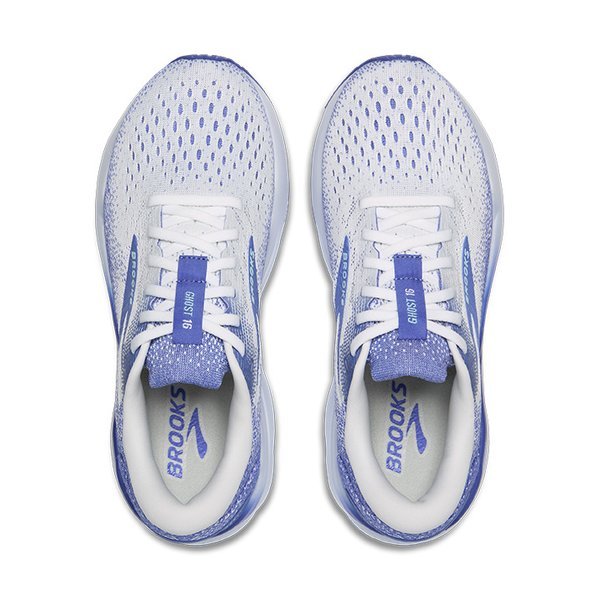
Brooks Ghost 16 — Our Top Pick (Daily Trainer)
Sixteen generations in, the Ghost is the reference daily trainer for a reason. The Ghost 16 introduced nitrogen-infused DNA Loft v3 foam — borrowed from Brooks’ premium Glycerin line — giving it a softer, more resilient ride than its predecessor while keeping the smooth, predictable feel the line is known for. It’s the shoe reviewers recommend to beginners because it simply doesn’t get in your way.
- Category: Neutral daily trainer for road running
- Midsole: DNA Loft v3 (nitrogen-infused) foam
- Best use: Easy miles, long runs, daily training, walking
- Fit: True to size with a comfortable, accommodating upper
Pros: The most versatile shoe here — handles easy days and long runs alike; the v3 foam feels soft yet stays consistent deep into long efforts; famously beginner-friendly fit with no break-in drama; 16 generations of refinement means the kinks are worked out; strong value in the mid-range tier.
Cons: Not exciting — runners wanting pop or speed will find it plain; heavier than tempo-oriented trainers; the 12mm drop feels dated next to lower-drop competitors; not a stability shoe, so overpronators should look at the Kayano.

HOKA Clifton 10 — Best for Plush Comfort
The Clifton has been HOKA’s cushioned workhorse for a decade, and the 10th version refines the formula: the same ultralight cushioning fans love, with a revised heel-to-toe drop (3mm more than before, per the brand), a breathable jacquard upper, and a double-lace lock designed to stop the tongue from migrating mid-run.
- Category: Max-cushion neutral road trainer
- Midsole: Lightweight EVA-based cushioning, updated geometry
- Upper: Breathable jacquard with double-lace lock
- Best use: Recovery runs, high-mileage weeks, all-day comfort
Pros: The plushest ride in this roundup — legs feel fresher after long efforts; famously light for the amount of cushioning; the rocker geometry makes easy pace feel effortless; a favorite among nurses, walkers, and high-mileage runners alike; refined fit with less tongue slip than older Cliftons.
Cons: Soft cushioning mutes ground feel — not for runners who like feedback; the stack height can feel tippy for narrow-footed runners on turns; outsole durability is the perennial Clifton complaint; premium cushioning at a mid-range price still isn’t cheap.
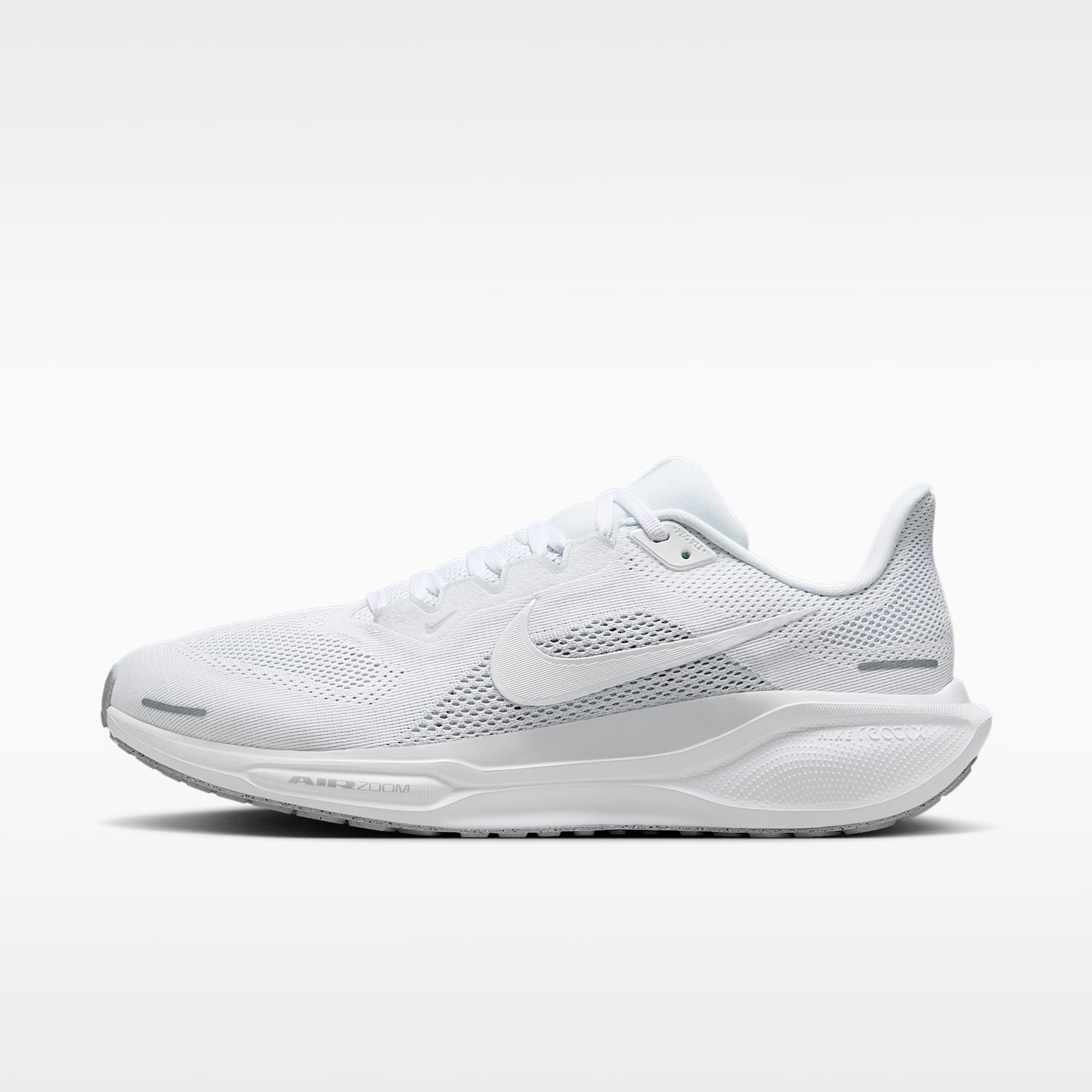
Nike Pegasus 41 — Best Responsive Daily Trainer
The Pegasus is Nike’s longest-running franchise, and the 41 pairs ReactX foam with dual Air Zoom units for a ride that’s noticeably snappier than pure-cushion trainers. The engineered mesh upper got lighter and more breathable this generation. Think of it as the Ghost’s livelier cousin: still an everyday shoe, but one that wakes up when you pick up the pace.
- Category: Neutral daily trainer with responsive ride
- Midsole: ReactX foam + forefoot and heel Air Zoom units
- Upper: Improved engineered mesh, lighter build
- Best use: Daily miles with tempo segments, gym-to-road versatility
Pros: The most energetic ride among the daily trainers here; Air Zoom units add genuine pop at faster paces; versatile enough for tempo days without needing a second shoe; huge color and width availability; typically easy to find on sale.
Cons: Firmer than the Ghost or Clifton — comfort-first runners may find it harsh on recovery days; the snug Nike fit runs narrow for wide feet; Air Zoom units add complexity some runners don’t need; not a stability option.

ASICS Gel-Kayano 31 — Best for Stability
The Kayano is the stability category’s benchmark, and the 31 modernizes it with the 4D Guidance System — adaptive support that guides the foot without the rigid medial post of old-school stability shoes. Rearfoot PureGEL and FF BLAST PLUS ECO foam keep the ride smooth, and the external heel counter adds rearfoot hold.
- Category: Stability road trainer
- Support: 4D Guidance System for adaptive stability
- Cushioning: FF BLAST PLUS ECO + Rearfoot PureGEL, OrthoLite sockliner
- Best use: Overpronators, long runs needing guidance, daily training
Pros: The gold standard for runners who overpronate — supportive without feeling corrective; premium cushioning rivals neutral flagships; the guidance feels natural rather than intrusive; excellent long-run shoe for tired legs that lose form; durable outsole.
Cons: Premium price tier; heavier than neutral trainers; neutral runners will find the guidance unnecessary and the shoe overbuilt; the fit runs slightly long — trying before buying helps.
ASICS Gel-Kayano 31 — Check Price on Amazon →

Salomon Speedcross 6 — Best for Trail & Mud
The Speedcross needs no introduction on the trails: deep 5mm lugs, a 10mm drop, and the signature Quicklace system that cinches with one pull and stows in a lace pocket. The 6th version is lighter with what the brand describes as an even grippier ground connection and faster mud evacuation. This is a specialist — and specialists win their specialty.
- Category: Trail running (soft ground, mud)
- Outsole: 5mm deep lugs for soft-terrain grip
- Fit system: Quicklace one-pull lacing with lace garage
- Best use: Muddy trails, soft ground, obstacle-course racing
Pros: The benchmark for muddy-trail grip — nothing in this roundup touches it off-road; Quicklace is genuinely faster and more secure than standard laces; precise, locked-in fit that prevents sliding on descents; lighter than its reputation suggests.
Cons: Deep lugs feel awkward and wear fast on pavement — this is not a road shoe; the narrow Salomon fit excludes wide feet; minimal cushioning compared to road trainers; waterproof GTX versions run hot — choose standard mesh unless you need it.
Salomon Speedcross 6 — Check Price on Amazon →
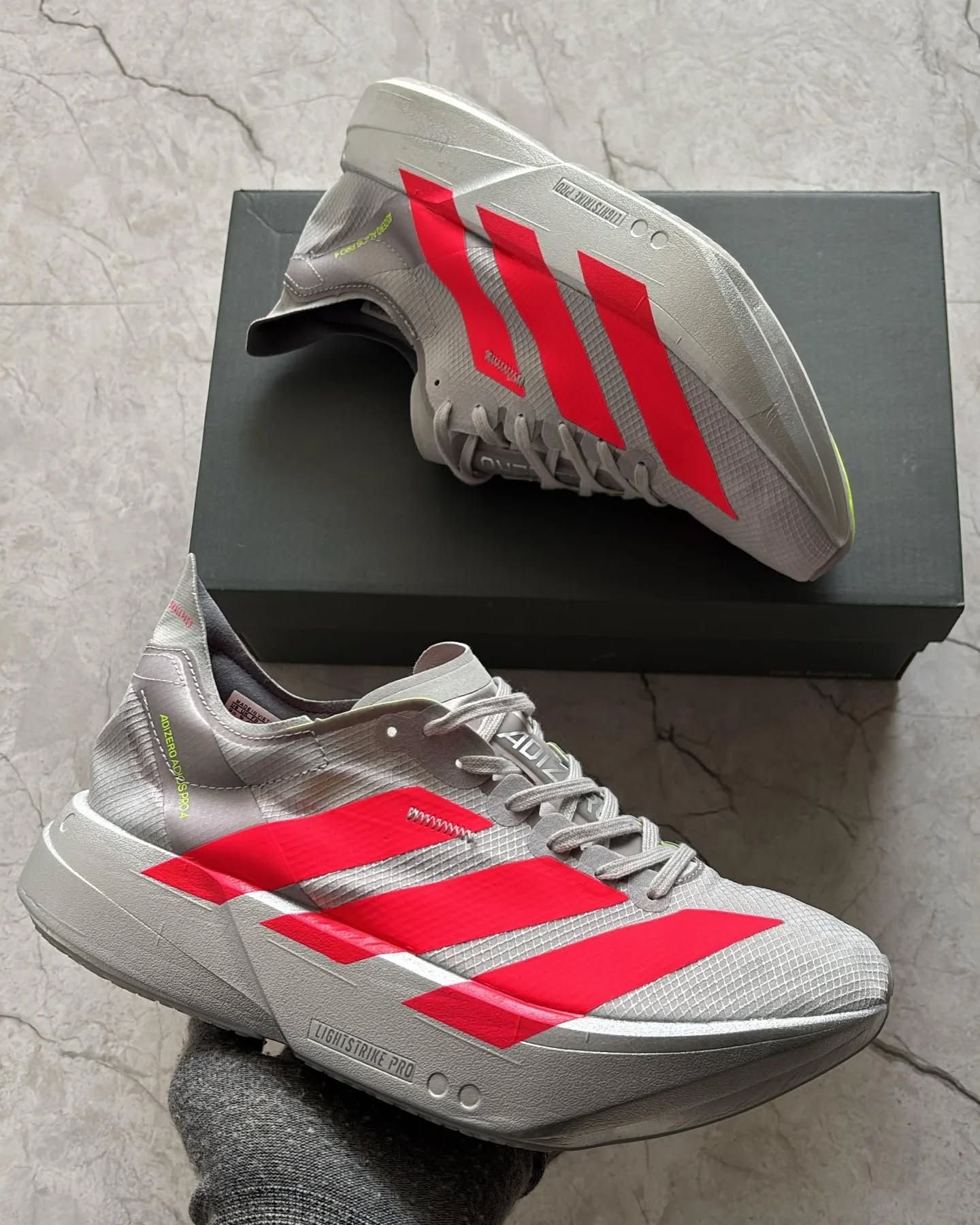
adidas Adizero Adios Pro 4 — Best for Racing
The Adios Pro 4 is a genuine super shoe: dual-layer Lightstrike Pro foam, carbon-infused EnergyRods 2.0, and an aggressive rocker geometry built for one job — fast, efficient running over half-marathon to marathon distances. At around 200g in a men’s reference size with a 6mm drop, it’s light, firm, and propulsive rather than soft.
- Category: Carbon-plated road racing
- Propulsion: Carbon-infused EnergyRods 2.0 + rocker geometry
- Midsole: Dual-layer Lightstrike Pro foam
- Best use: Half-marathon and marathon race day
Pros: One of the most efficient marathon racers available — the rods and rocker reward good form with real propulsion; protective enough for the full 26.2, not just short races; firm, fast feel that tempo runners love; premium build quality.
Cons: Premium price tier — the most expensive shoe here; the firm ride punishes slow, shuffling paces (don’t daily-train in it); race-day fit is snug with a tapered toe box; carbon shoes wear faster than trainers, so cost-per-mile is high.
adidas Adizero Adios Pro 4 — Check Price on Amazon →
How to Choose Running Shoes
1. Start with your run, not the shoe. Road or trail? Easy miles or race day? Neutral gait or overpronation? A trail shoe on pavement and a racer on recovery runs are both miserable. Match the category first — brand second.
2. Know your gait (roughly). If your ankles roll inward and your old shoes wear heavily on the inner edge, you’re likely an overpronator and a stability shoe like the Kayano will help. If wear is even, neutral trainers (Ghost, Clifton, Pegasus) are the answer. A running store gait analysis takes ten minutes and removes the guesswork.
3. Size up from your street shoes. Feet swell on runs — most runners need a half size up from everyday sneakers, with a thumb’s width of space in front of the toes. This is the single most common sizing mistake, and it causes black toenails.
4. Cushioning is a preference, not a hierarchy. Max-cushion shoes (Clifton) protect tired legs; firmer shoes (Pegasus) give feedback and speed. Neither is “better” — it’s about what your body likes. If you’re coming from worn-out sneakers, start cushioned.
5. Don’t race in trainers or train in racers. Carbon-plated shoes are built for fast paces and wear out quickly; using them daily is expensive and hard on the legs. Conversely, a heavy daily trainer will feel like running in boots on race day. One of each is the classic two-shoe rotation.
6. Replace on mileage, not looks. Most road shoes last 300–500 miles. The midsole foam dies long before the upper looks worn — if your knees start aching in a familiar shoe, the cushioning is probably done.
Who Should Buy (and Who Should Skip) Each Category
Buy a daily trainer (Ghost 16, Pegasus 41) if you:
- Run 3+ times a week and need one shoe for most of it
- Are starting out or returning after a break
- Want versatility over specialization
Buy max cushion (Clifton 10) if you:
- Prioritize comfort and joint-friendliness above all
- Log high mileage or long runs regularly
- Spend all day on your feet and want a recovery shoe
Buy stability (Gel-Kayano 31) if you:
- Overpronate or have been fitted for support before
- Your form collapses late in long runs
Buy trail (Speedcross 6) if you:
- Run on mud, soft trails, or off-road regularly
- Do obstacle-course races
Buy a racer (Adios Pro 4) if you:
- Are targeting a half-marathon or marathon PR
- Already have a daily trainer and want a race-day weapon
Skip the racer if you’re buying your first or only pair — start with a trainer. Skip the trail shoe if you run 90% on pavement. And skip stability unless you actually need guidance; neutral runners gain nothing from it.
Pair your training with the right gear: our adjustable dumbbells roundup covers strength days, our water bottles guide keeps you hydrated on long runs, and a smartwatch tracks the miles.
Frequently Asked Questions About Running Shoes
How do I know if I need stability shoes?
Check the wear pattern on your old shoes: heavy wear on the inner edge suggests overpronation. Recurring inner-ankle or shin pain can also point that way. When in doubt, a running store gait analysis is quick, usually free, and far more reliable than self-diagnosis.
Can I use trail shoes for road running?
Occasionally, yes — but deep lugs like the Speedcross 6’s feel unstable on pavement and wear down fast. If your runs are mostly road with occasional trail sections, a road-to-trail hybrid or just your road shoes will serve you better.
Are carbon-plated shoes worth it for slow runners?
Honestly, less so. Super shoes reward fast, efficient mechanics — at easy paces the plate and rocker can feel awkward and even increase injury risk. They’re a race-day tool for runners chasing times, not a comfort upgrade.
How long do running shoes last?
Typically 300–500 miles for road shoes, less for lightweight racers. Track your mileage (most running apps do this automatically) and watch for the tell-tale signs: new aches in a familiar shoe, or foam that looks creased and feels flat.
Should I rotate two pairs of shoes?
It’s one of the best-supported habits in running: rotating pairs lets foam fully recover between runs and varies the stress on your legs. A daily trainer plus a second shoe (another trainer, a tempo shoe, or a racer) is the classic setup.
Do expensive running shoes prevent injuries?
No shoe prevents injuries on its own — training load, form, and recovery matter far more. The right shoe reduces aggravation by matching your gait and use case. Anyone promising injury prevention from a shoe is selling, not advising.
Final Verdict: Best Running Shoes
The Brooks Ghost 16 is our pick for most runners: it’s the rare shoe that’s genuinely good at everything a daily trainer needs to do — smooth, protective, durable, and sensibly priced. If you only buy one pair this year, buy this category. After comparing all the options, this remains our top recommendation for the best running shoes.
Specialists should specialize: the HOKA Clifton 10 for maximum comfort, the ASICS Gel-Kayano 31 for stability needs, the Salomon Speedcross 6 for muddy trails, and the adidas Adizero Adios Pro 4 for race day. Match the shoe to the run and you won’t go wrong.
As an Amazon Associate we earn from qualifying purchases. Prices and availability change frequently — see Amazon for the latest.
How we researched: We compared specifications from current Amazon listings (verified October 2026), aggregated pros and cons from verified-purchase reviews and running communities, and scored each shoe against its intended use case: daily training, max comfort, stability, trail, or racing. Brand performance claims are the manufacturer’s own marketing and were not independently verified by us. We did not receive free products from any brand. Last updated: October 13, 2026.
Manufacturer resources for running shoes: Brooks, HOKA, Nike, ASICS.

Pingback: Best Water Bottles for Travel & Fitness (2026) - Products Buy Reviews
Pingback: Best Adjustable Dumbbells for Home Gym (2026)