


⭐ Our Pick: Chemex Classic 6-Cup — 4.5/5
Best for: Coffee lovers who want the cleanest-tasting cup — thick proprietary filters remove more oils and sediment, and the glass carafe brews, serves, and looks beautiful on the counter.
Skip if: You want espresso-style strength, cold brew in two minutes, or something indestructible for travel — that’s the AeroPress Original.
As an Amazon Associate we earn from qualifying purchases. How we research.
Best Pour-Over Coffee Makers & AeroPress (2026) — 6 Compared
Drip-machine coffee and pour-over coffee are different beverages. Manual brewing gives you control over every variable — water temperature, pour speed, bloom time — and the result is a cleaner, more flavorful cup that a push-button machine simply can’t match. Whether you want a classic cone dripper, an immersion press, or the iconic Chemex, there’s a manual brewer for your style.
We compared 6 of the best-selling manual brewers on Amazon US: cone drippers (V60, Chemex, Kalita Wave), the all-in-one AeroPress, and the two easiest beginner setups (Bodum, Melitta). Specs were verified against current listings (October 2026), plus what verified owners say after hundreds of brews. The short answer: the Chemex Classic 6-Cup wins for the cleanest, sweetest cup and its timeless design. The AeroPress Original is the pick for travel, espresso-style shots, and near-indestructible daily use.
As an Amazon Associate we earn from qualifying purchases.
Quick Comparison of the Best Coffee Makers
| Product | Best for | Key spec | Price tier | Rating |
|---|---|---|---|---|
| Chemex Classic 6-Cup | Cleanest cup | Thick bonded filters; 6-cup borosilicate carafe | Mid-range | ⭐ 4.5/5 |
| AeroPress Original | Travel & espresso-style | 10 oz press; 2-min brew; shatterproof | Budget | ⭐ 4.5/5 |
| Hario V60 Ceramic 02 | Pour-over purists | Cone + spiral ridges; 1–4 cups; Arita-yaki ceramic | Budget | ⭐ 4.5/5 |
| Kalita Wave 185 | Forgiving brews | Flat bed + wave filters; 16–26 oz; stainless | Mid-range | ⭐ 4/5 |
| Bodum Pour Over 34 oz | Easiest start | Reusable stainless filter; no paper needed | Budget | ⭐ 4/5 |
| Melitta Pour-Over 6-Cup | Cheapest setup | Cone + glass carafe; #2 filters; 1908 original | Budget | ⭐ 4/5 |
Prices change frequently — click through to see the current price.
Detailed Coffee Makers Reviews
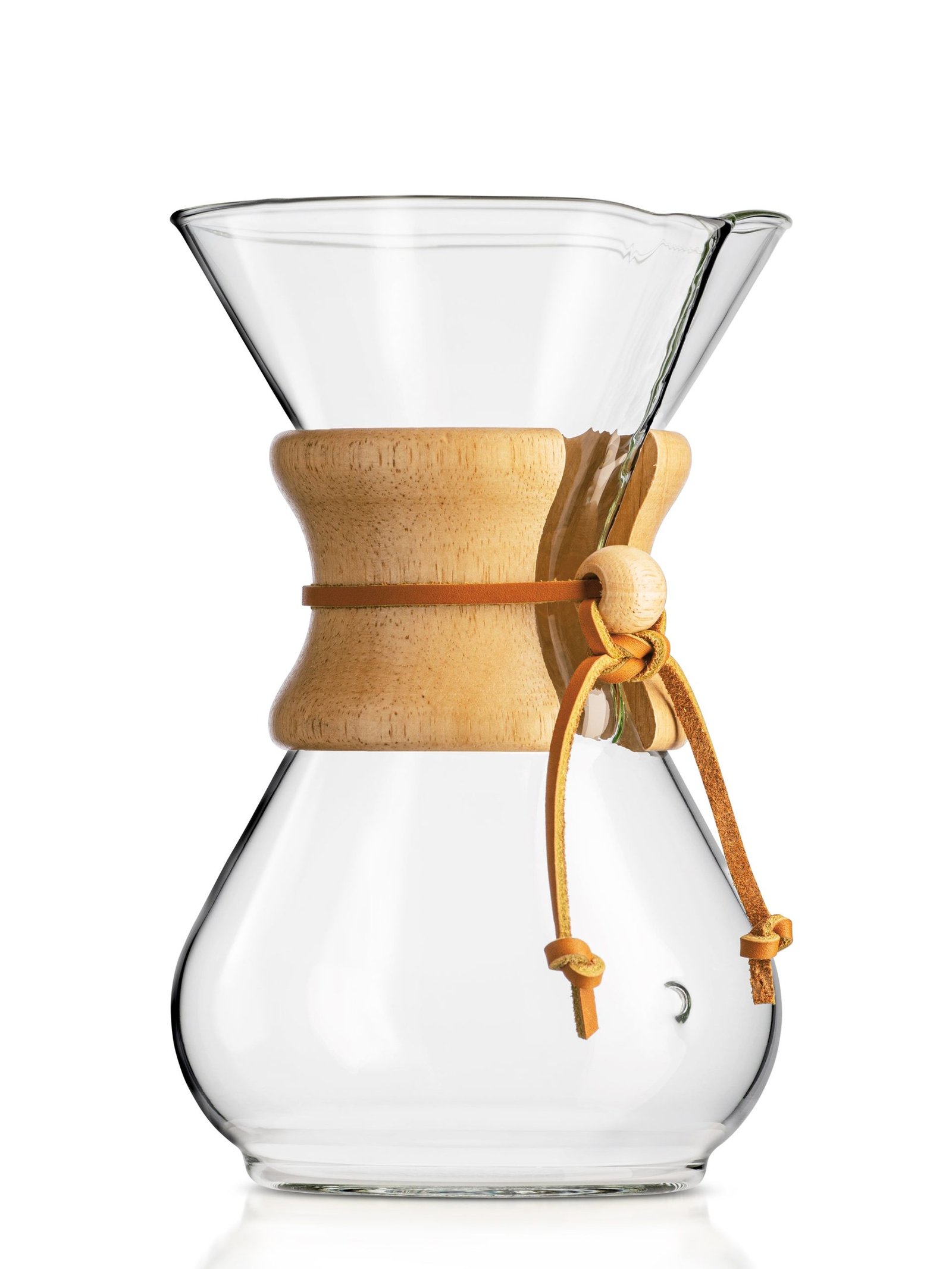
Chemex Classic 6-Cup — Our Top Pick
The Chemex is the most recognizable pour-over in the world — designed in 1941, exhibited at MoMA, and still unmatched at what it does. Its secret is the thick bonded paper filters: noticeably heavier than standard filters, they trap more oils and fine sediment, producing the cleanest, sweetest cup of any brewer here. The 6-cup (30 oz) borosilicate carafe brews and serves in one vessel, with the iconic wooden collar and leather tie.
- Capacity: 6 cups (30 oz); best for 1–3 mugs per brew
- Filters: Proprietary thick bonded filters (FP-1 / FS-100 series); cleanest cup here
- Material: Non-porous borosilicate glass; won’t absorb flavors; dishwasher safe
- Brew style: Classic cone pour-over; rewards good technique with exceptional clarity
- Extras: Wooden collar with leather tie; included starter filters; timeless design
Pros: The cleanest-tasting cup in this roundup — the filters make a real, tasteable difference; beautiful enough to leave on the counter; borosilicate glass is easy to clean and flavor-neutral; works brilliantly for iced coffee over ice.
Cons: Proprietary filters cost more than standard #2/#4 filters (and it’s fussy about substitutes); fragile — it’s all glass, so one drop can end it; less forgiving of sloppy technique than the Kalita; brewing for one can feel like overkill.
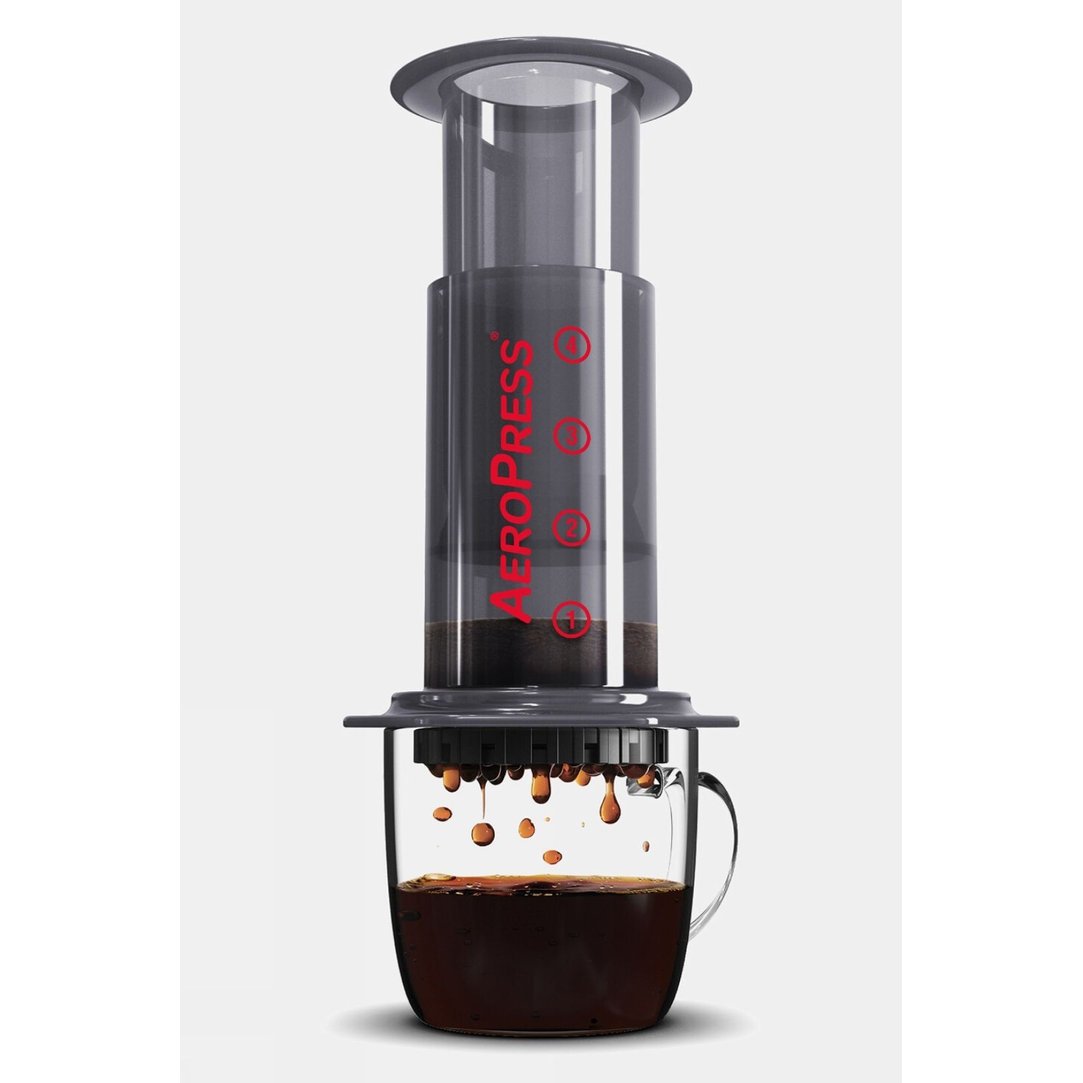
AeroPress Original — Best for Travel & Espresso-Style Coffee
The AeroPress isn’t technically a pour-over — it’s a pressure brewer — but it belongs in every manual-brewing roundup. It makes 10 oz of smooth, low-acidity coffee (or 1–3 espresso-style shots) in about two minutes, with cleanup that takes seconds: pop out the puck, rinse, done. It’s shatterproof, compact enough for a backpack, and the #1 best-seller in its Amazon category for years running.
- Capacity: 10 oz regular coffee or 1–3 espresso-style shots per pressing
- Brew time: About 1–2 minutes; also makes cold brew in ~2 minutes (per brand)
- Filters: Paper micro-filters (included); keeps grit out completely
- Material: BPA-free, shatterproof plastic; dishwasher safe; ~8.8 oz weight
- Extras: Scoop, stirrer, and filter holder included; endless recipe community online
Pros: The most versatile brewer here — American, espresso-style, cold brew; nearly indestructible and travel-ready; fastest brew and easiest cleanup; huge global recipe community; no technique mastery required.
Cons: 10 oz max means multiple pressings for two people; the coffee is smoother but less nuanced/bright than a great V60 pour; plastic construction doesn’t feel premium; you need proprietary micro-filters (though they’re cheap).
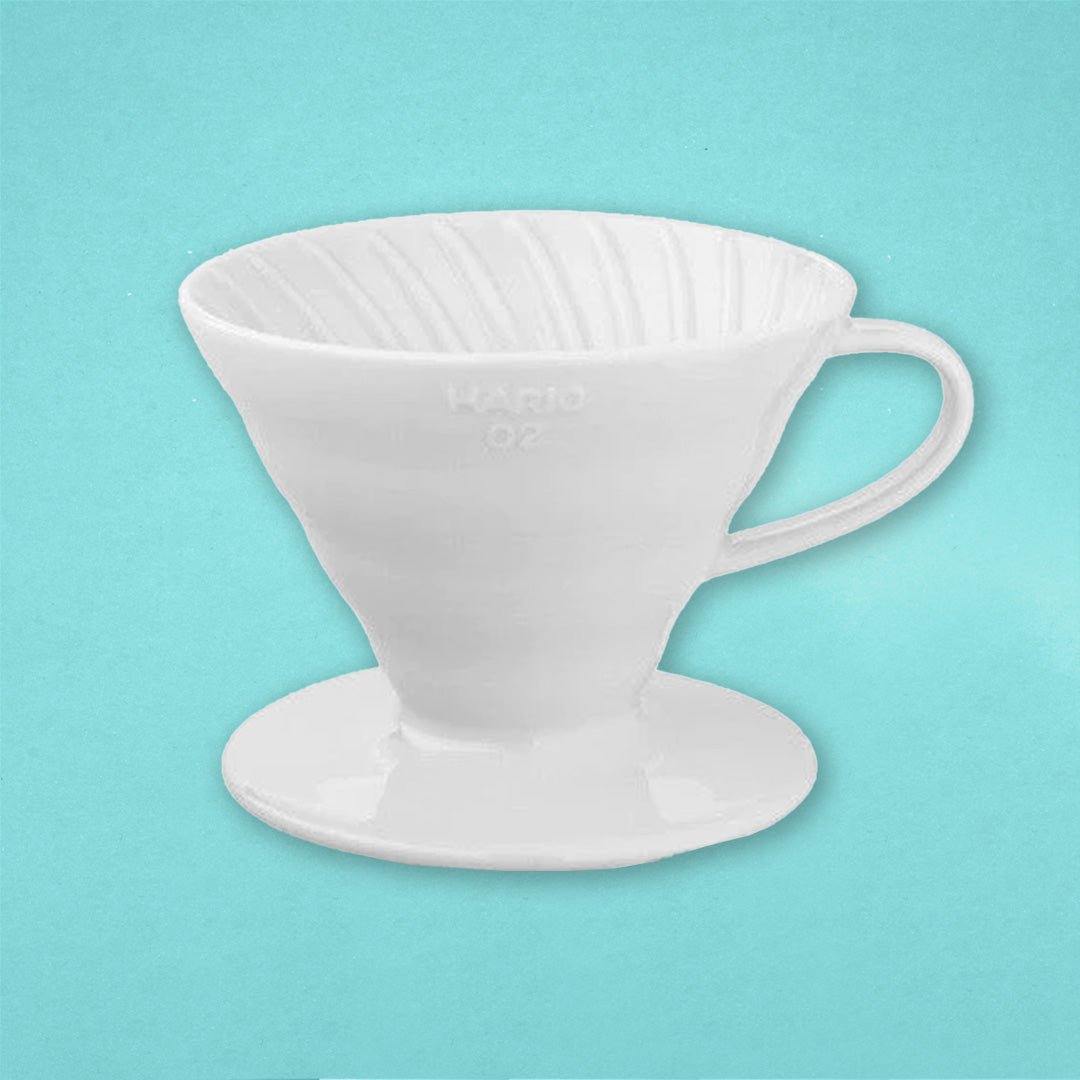
Hario V60 Ceramic 02 — Best for Pour-Over Purists
The V60 is the pour-over that competitions are won with. Its cone shape, spiral ridges, and single large drainage hole give the brewer maximum control: pour fast for a light, bright cup, or slow for a deep, rich one. The ceramic 02 size brews 1–4 cups, and the Japanese Arita-yaki ceramic holds heat beautifully through the brew. If you want to taste everything your beans offer — especially floral or fruity coffees — this is the tool.
- Capacity: Size 02 = 1–4 cups; fits most mugs and servers
- Filters: V60 02 cone filters (paper); also works with reusable mesh filters
- Material: Arita-yaki ceramic — handmade in Japan, 400-year-old pottery tradition; retains heat well
- Brew style: Maximum control cone pour-over; highlights bright, complex coffees
- Extras: Dishwasher safe; huge range of colors and stands available
Pros: Unmatched control over flavor — the competition standard for a reason; ceramic heat retention is excellent; cheap to buy and filters are everywhere; beautiful, minimalist, and built to last decades.
Cons: The least forgiving brewer here — bad technique makes bad coffee; ceramic is breakable if dropped; needs a separate mug or server underneath; single large hole means grind size and pour really matter.
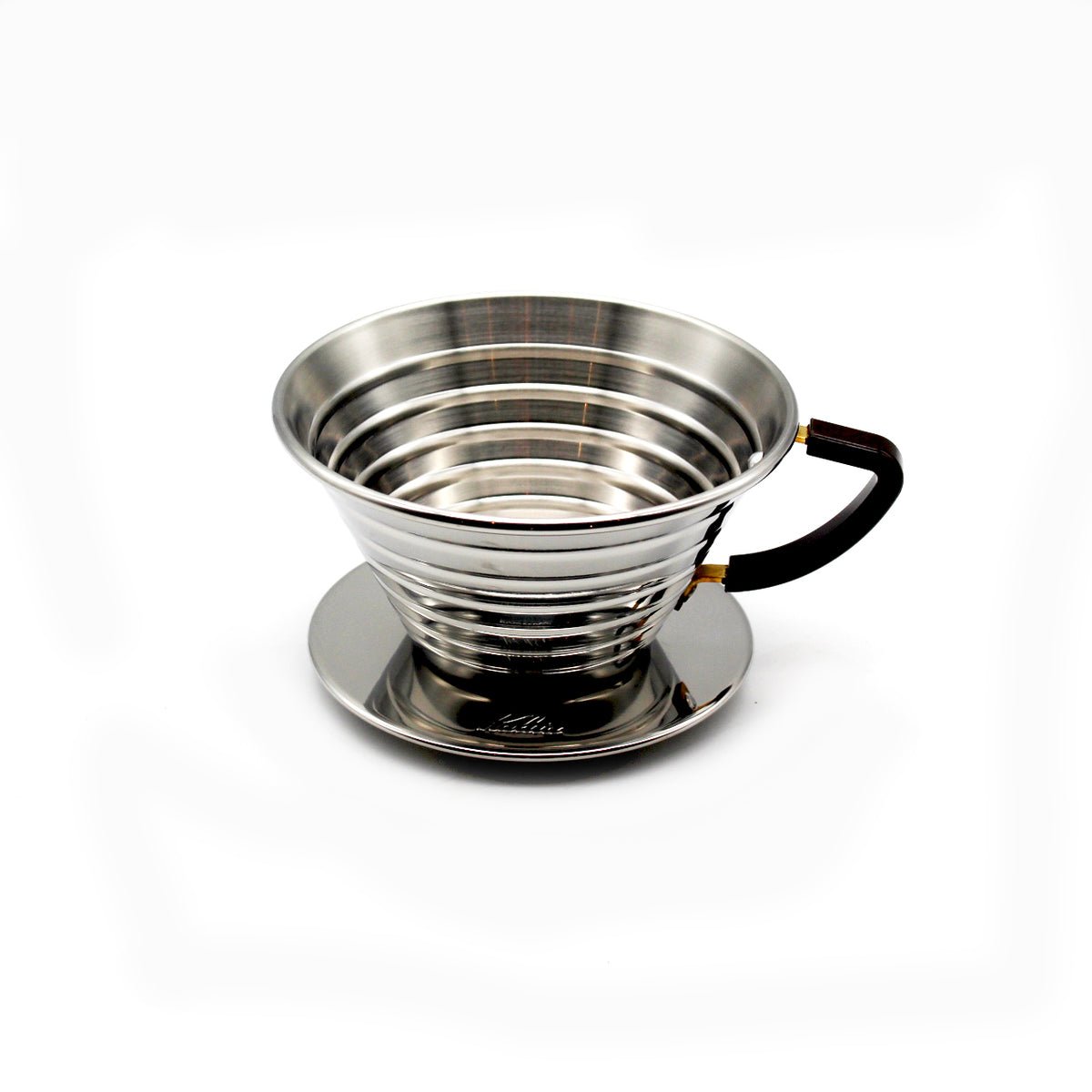
Kalita Wave 185 — Best Forgiving Pour-Over
The Kalita Wave fixes the V60’s biggest weakness: it forgives you. Its flat-bottomed bed and patented wave filters reduce contact between filter and dripper, and three small extraction holes meter the flow — so even an imperfect pour produces an even, balanced cup. The 185 stainless version brews 16–26 oz (2–4 cups), heats up fast, holds temperature, and is dishwasher safe and nearly indestructible.
- Capacity: 185 size = 16–26 oz (about 2–4 cups); 155 size for single cups
- Filters: Kalita Wave 185 wavy paper filters (proprietary shape)
- Material: Polished stainless steel; made in Japan; dishwasher safe
- Brew style: Flat-bed pour-over; even extraction with less technique required
- Extras: Fits most cups and carafes; also available in glass and ceramic
Pros: The most forgiving quality pour-over here — great for beginners stepping up; flat bed gives a fuller, sweeter cup than cone drippers; stainless steel is durable and heat-stable; a favorite in specialty cafes.
Cons: Wave filters are proprietary and pricier than standard cones; the stainless version costs more than a plastic V60; produces a fuller cup but less bright clarity than the V60 or Chemex; the 155 size is too small for most people — get the 185.
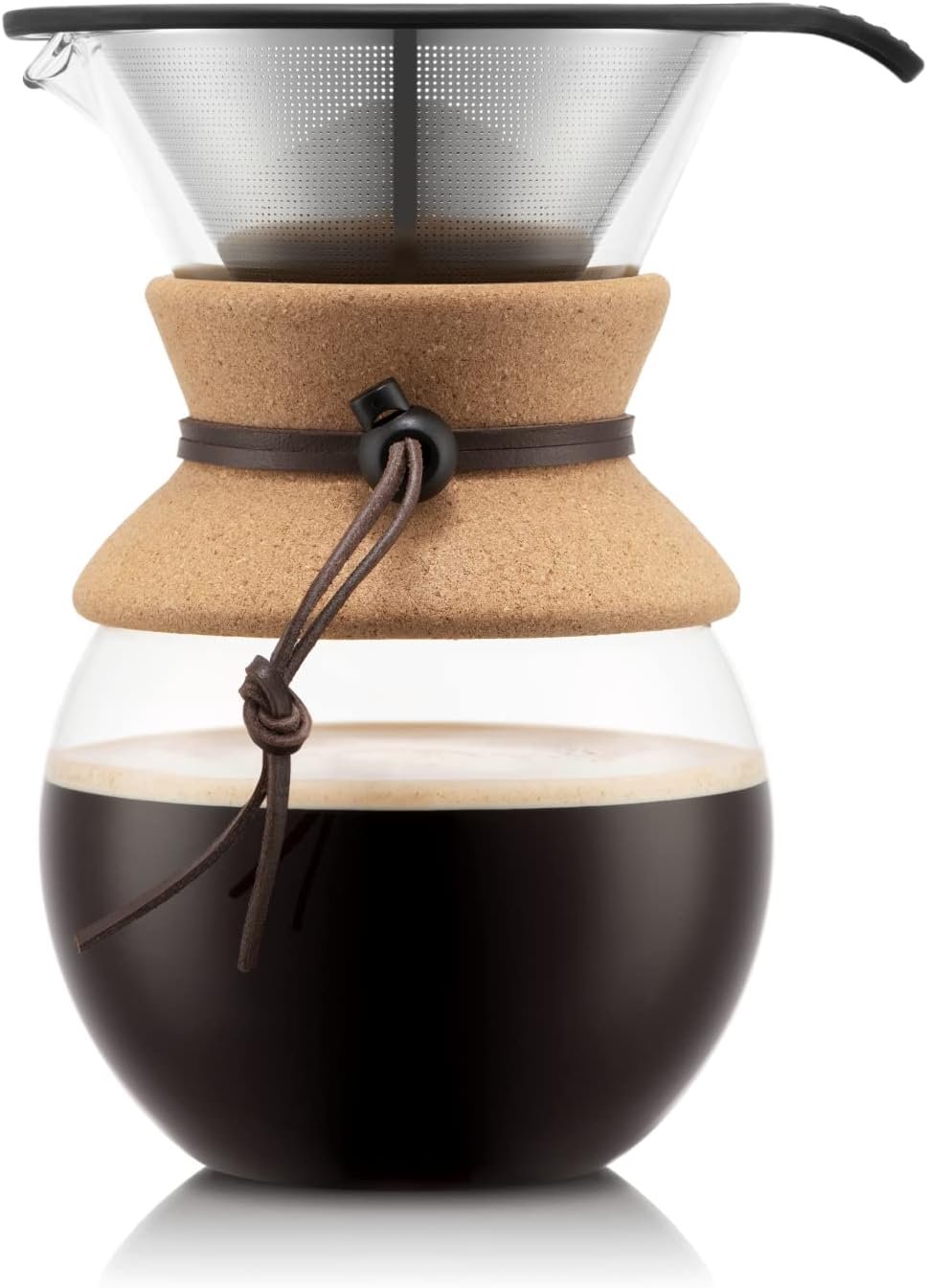
Bodum Pour Over 34 oz — Easiest Start (No Paper Filters)
The Bodum is the friendliest way into pour-over: a 34 oz borosilicate glass carafe with a reusable stainless-steel mesh filter, so there’s nothing to buy after the brewer itself. Pour, wait 3–4 minutes, remove the filter, serve. The mesh filter lets more oils through than paper, giving a fuller-bodied, French-press-adjacent cup. It’s the #1 best-seller in Amazon’s Pour Over Coffee Makers category.
- Capacity: 34 oz (8 cups); best for 2–4 mugs
- Filters: Reusable stainless-steel mesh filter — zero ongoing filter cost
- Material: High-heat borosilicate glass; silicone/black band grip; dishwasher safe
- Brew style: Cone pour-over with mesh filter; fuller body, more oils in the cup
- Extras: Made in Portugal; available with cork or band grip
Pros: No paper filters to buy, ever; the simplest workflow here; mesh filter gives a rich, full-bodied cup; very affordable; dishwasher safe carafe and filter.
Cons: Mesh filters let fine sediment through — the cup is cloudier than paper-filter brews; less flavor clarity than the Chemex or V60; mesh needs thorough cleaning to avoid oily buildup; glass is breakable.
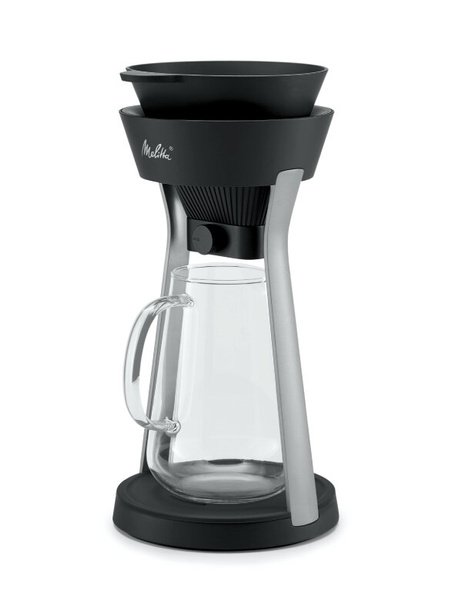
Melitta Pour-Over 6-Cup — The Original, Cheapest Setup
Fun fact: Melitta Bentz invented pour-over brewing in 1908, and the company’s brewer is still the cheapest credible way to try it. A BPA-free plastic cone sits on a 6-cup glass carafe with standard #2 filters — the whole setup costs less than two cafe lattes. The cup won’t rival a Chemex, but it reliably beats any drip machine, and the workflow teaches you the basics of manual brewing.
- Capacity: 6 cups (6 oz cups); best for 1–2 mugs
- Filters: Standard Melitta #2 cone filters — cheap and available everywhere
- Material: BPA-free plastic cone; glass carafe; top-rack dishwasher safe
- Brew style: Classic cone pour-over; straightforward and consistent
- Extras: Includes cone, carafe, scoop, and starter filters; 100% biodegradable filters
Pros: The cheapest entry point to real pour-over; #2 filters are the most available filters on Earth; biodegradable filters; simple, proven, no learning curve beyond basic pouring.
Cons: Plastic cone feels basic next to ceramic and glass rivals; 6-oz “cups” means it’s really a 2-mug brewer; cup quality is good, not great — the cone design is the least refined here; no heat retention to speak of.
How to Choose the Best Coffee Makers
1. Cone vs. flat bed vs. press
Cone drippers (V60, Chemex, Melitta) emphasize clarity and brightness — you taste the coffee’s nuances. Flat-bottom drippers (Kalita Wave) emphasize evenness and sweetness — more forgiving. The AeroPress is its own thing: immersion plus pressure, producing a smooth, full cup with almost no acidity. Pick based on the flavor profile you like, not the brand.
2. How much coffee do you brew?
One mug for yourself? The AeroPress or Hario V60 02 covers it. Two to three mugs? The Chemex 6-cup or Bodum 34 oz is the sweet spot. Brewing for a household? The Bodum’s 34 oz carafe wins on volume. Match the brewer to your actual morning routine, not your aspirations.
3. Paper vs. reusable filters
Paper filters (Chemex, V60, Kalita, Melitta) produce a cleaner cup and easier cleanup — but they’re an ongoing cost. Reusable mesh (Bodum) costs nothing after purchase and gives a fuller-bodied cup, at the price of sediment and more cleaning. There’s no wrong answer; know which camp you’re in.
4. Technique tolerance
Be honest about your mornings. The V60 rewards skill and punishes laziness. The Kalita Wave and Chemex sit in the middle. The AeroPress and Bodum are nearly foolproof. A brewer you use every day beats a “better” one that sits in the cabinet because the ritual is too fussy.
5. The grinder matters more than the brewer
This is the open secret of manual brewing: a good burr grinder improves your coffee more than any brewer upgrade. Freshly ground beans (see our best espresso beans roundup — great beans work for pour-over too) plus any brewer here will beat pre-ground coffee in the fanciest machine.
6. Travel and durability
If coffee happens at the office, campsite, or hotel, get the AeroPress — it’s shatterproof and self-contained. Glass brewers (Chemex, Bodum) stay home. The stainless Kalita splits the difference: durable enough to travel, classy enough for the counter.
Who Should Buy (and Who Should Skip)
Buy a manual brewer if you:
- Want noticeably better coffee than a drip machine without spending hundreds
- Enjoy the ritual — the bloom, the spiral pour, the few quiet minutes of brewing
- Drink 1–3 cups at a time and want each one dialed in
Skip manual brewing if you:
- Need 8+ cups ready when you wake up — get a good drip machine with a thermal carafe instead
- Won’t grind fresh — pre-ground coffee in a Chemex still beats pre-ground in a drip machine, but the magic really needs fresh beans
- Hate cleanup rituals — the AeroPress is the only truly low-maintenance option here
In summer, these brewers shine for iced coffee: brew the Chemex or V60 directly over ice, or use a portable ice maker to keep up with demand. And whatever brewer you choose, pair it with fresh beans — our espresso beans guide covers roasts that also excel as pour-over.
Frequently Asked Questions About Coffee Makers
What’s the difference between pour-over and drip coffee?
Control. A drip machine automates water temperature, flow rate, and timing with mediocre defaults. Pour-over puts you in charge of all three, which lets you extract flavor properly — especially from good beans. The result is a cleaner, more aromatic, less bitter cup.
Is the AeroPress a pour-over?
Not technically — it’s an immersion-and-pressure brewer (closer to a French press with a filter). But it’s sold alongside pour-over gear, serves the same audience, and makes an excellent cup, which is why it earns its place in this roundup. If you want actual espresso, see our espresso content instead.
Do I need a gooseneck kettle?
It helps a lot with cone drippers (V60 especially) because slow, controlled pouring is the whole game. For the AeroPress, Kalita Wave, and Bodum, any kettle works fine. If you’re buying a V60 or Chemex and don’t own one, budget for a gooseneck kettle — it’s the highest-impact accessory.
Why does my pour-over taste bitter or sour?
Bitter usually means over-extraction (water too hot, grind too fine, pour too slow). Sour usually means under-extraction (water too cool, grind too coarse, pour too fast). Aim for water just off the boil (~200°F/93°C), a medium-fine grind, and a total brew time of 2:30–3:30 for most drippers.
Paper filters vs. metal filters — which is better?
Paper gives a cleaner, brighter cup and dead-simple cleanup. Metal (Bodum’s mesh) gives a fuller, oilier cup with zero ongoing cost but lets fine sediment through. Neither is objectively better — it’s a flavor preference. Most competition brewers use paper.
How do I clean a Chemex or V60?
Daily: rinse with hot water. Weekly: a soak with a coffee-equipment cleaner (like Cafiza) or baking soda removes built-up oils that turn rancid and sour your coffee. Ceramic and glass are dishwasher safe, but hand-rinsing after each brew keeps them pristine with less effort.
Final Verdict: Best Coffee Makers
The Chemex Classic 6-Cup is our pick: the thick bonded filters produce the cleanest cup in this roundup, the carafe brews and serves beautifully, and the design has been iconic for 80+ years for good reason. It’s the brewer that turns coffee into a ritual. After comparing all the options, this remains our top recommendation for the best coffee makers.
The AeroPress Original is the essential second brewer — travel-proof, espresso-style shots, two-minute cold brew, and cleanup in seconds. Beginners who want the easiest start should look at the Bodum Pour Over (no paper filters) or the ultra-cheap Melitta to learn the ropes.
As an Amazon Associate we earn from qualifying purchases. Prices and availability change frequently — see Amazon for the latest.
How we researched: We compared specifications from current Amazon listings (verified October 2026), aggregated pros and cons from verified-purchase reviews, and weighted the factors that matter most in manual brewing: flavor clarity, forgiveness of technique, build quality, and ongoing filter costs. Brand claims (e.g. brew times, flavor descriptions) are the manufacturers’ own marketing and were not independently verified by us. We did not receive free products from any brand. Last updated: October 13, 2026.
Manufacturer resources for pour-over coffee makers: Chemex, AeroPress, Hario.


Pingback: Best Pressure Cookers (2026) - Products Buy Reviews
Pingback: Best Espresso Beans for Home Brewing (2026) — 6 Compared - Products Buy Reviews
Pingback: Best Flatware & Spoon Sets (2026) - Products Buy Reviews
Pingback: Best Vacuum Cleaners for Home (2026) - Products Buy Reviews
Pingback: Best Portable Ice Makers (2026): 6 Compared
Pingback: Best Pizza Cutters & Wheels 2026: 6 Compared
Pingback: Best Living Room Lamps (2026) — 6 Compared & Reviewed
Pingback: Best Pressure Washers for Home Use (2026): 6 Compared
Pingback: Best Outdoor Lamp Posts for Driveway & Yard (2026)
Pingback: Best Pillows for Sleeping (2026): 6 Compared
Pingback: Best Wine Coolers for Home (2026): 6 Compared
Pingback: Best Air Purifiers for Home 2026: 5 Compared
Pingback: Best Ceiling Fans with Lights (2026): 6 Compared
Pingback: Best LED Bathroom Mirrors 2026: Anti-Fog Compared
Pingback: Electactic Espresso Machine with Grinder: Review (2026)