
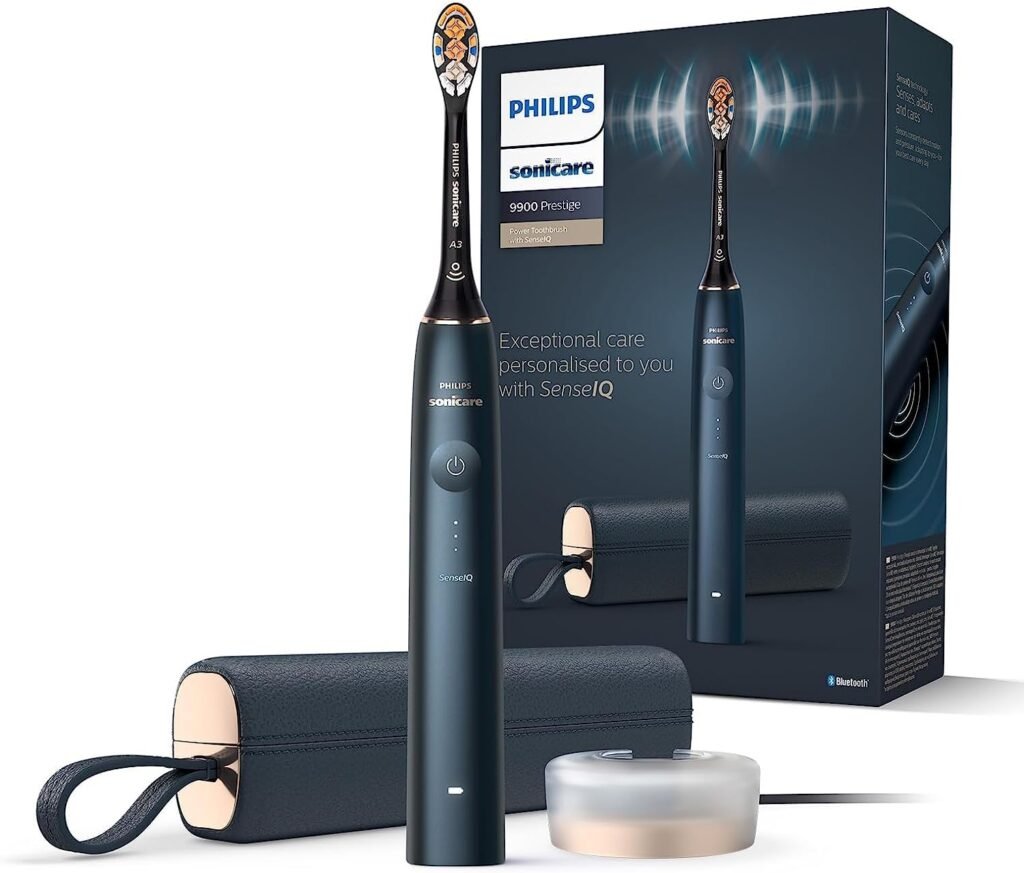

⭐ Our Pick: Philips Sonicare 9900 Prestige — 4.5/5
Best for: Anyone who wants the most advanced clean available — AI-guided brushing with real-time feedback, adaptive pressure sensing, and a premium travel case, in the category’s flagship sonic brush.
Skip if: The premium price tier stings — the Philips Sonicare 4100 delivers the core sonic experience for far less, and the Oral-B Pro 1000 is the budget classic that started millions of electric-brushing habits.
As an Amazon Associate we earn from qualifying purchases. How we research.
Best Electric Toothbrushes (2026) — 5 Tested & Compared
Switching from a manual to an electric toothbrush is one of the highest-impact upgrades in personal care — and also one of the most confusing purchases. Sonic vs oscillating? How many modes do you actually need? Is the premium flagship really three times better than the budget classic? The marketing is loud; the real differences are quieter.
We compared 5 electric toothbrushes spanning the full price range — from the AI-powered flagship to the budget bestseller — with specs verified against current Amazon listings (October 2026) and owner feedback aggregated on what matters after the novelty wears off: cleaning feel, battery life, brush-head costs, and whether the smart features actually get used.
The short answer: the Philips Sonicare 9900 Prestige is the most capable brush here — its AI guidance and adaptive pressure sensing genuinely change how you brush. But the honest truth is that the Sonicare 4100 and Oral-B Pro 1000 deliver most of the real-world benefit for a fraction of the price.
As an Amazon Associate we earn from qualifying purchases.
Quick Comparison of the Best Electric Toothbrushes
| Product | Best for | Technology | Modes | Price tier | Rating |
|---|---|---|---|---|---|
| Philips Sonicare 9900 Prestige | Most advanced clean, tech lovers | Sonic + AI guidance | 5 | Premium | 4.5/5 |
| Oral-B iO Series 9 | Smart oscillating clean | Oscillating + magnetic drive | 7 | Premium | 4.5/5 |
| Philips Sonicare 4100 | Best value sonic brush | Sonic | 1 (+2 intensities) | Mid-range | 4.5/5 |
| Oral-B Pro 1000 | Budget classic, proven clean | Oscillating (3D) | 1 | Budget | 4.5/5 |
| AquaSonic Vibe Series | Budget sonic with extras | Sonic (40,000 VPM) | 4 | Budget | 4/5 |
Prices change frequently — click through to see the current price.
How We Judged These Toothbrushes
Electric toothbrushes are mature technology, so we weighted cleaning performance fundamentals (brushing action, pressure protection, timers — the things that actually clean teeth), smart features that get used (not just spec-sheet bullet points), battery life and charging, ongoing costs (replacement heads are the real long-term expense), and value within each tier. Brand claims about plaque-removal percentages are the manufacturers’ own marketing — directionally they’re all better than manual brushing, which is the comparison that matters.
Detailed Electric Toothbrushes Reviews
Philips Sonicare 9900 Prestige — Our Top Pick
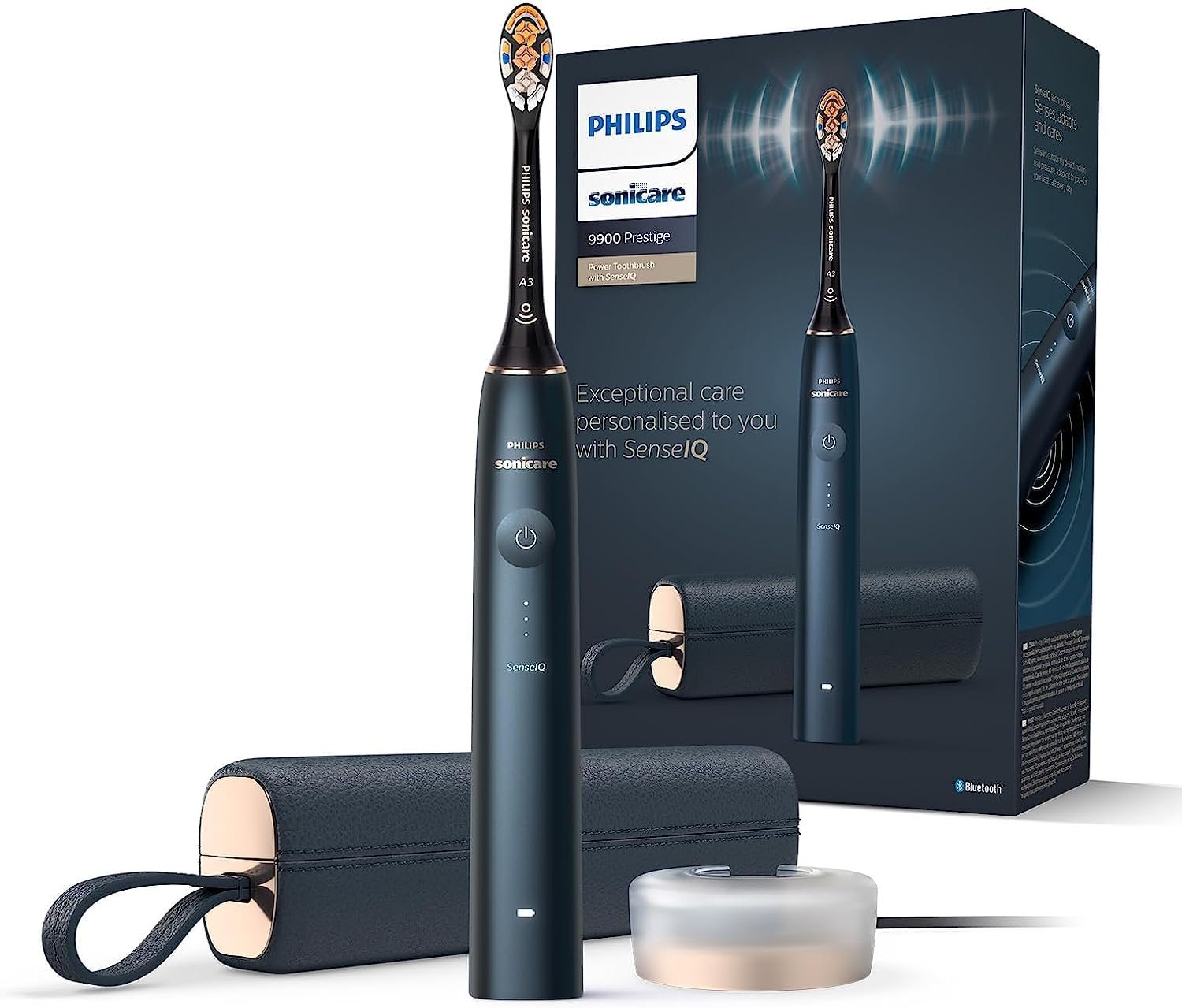
The 9900 Prestige is Philips’ flagship for a reason: on-device AI tracks your brushing and the SenseIQ system adapts intensity in real time to protect gums when you press too hard. The interactive display, 5 modes with 3 intensities, and BrushSync head tracking round out a package that genuinely coaches you toward better technique — not just a fancier vibration.
- Cleaning: Sonic technology with SenseIQ adaptive intensity; 5 modes, 3 intensities
- Smart features: AI-powered brushing guidance, interactive display, app with mouth map
- Battery: Up to 2 weeks per charge; premium charging travel case included
- Extras: BrushSync replacement reminders; SmarTimer and QuadPacer; A3 Premium All-in-One head
Pros: The most genuinely “smart” brush here — the real-time pressure and coverage feedback changes habits; the adaptive intensity is great for heavy-handed brushers; premium fit and finish with a travel case that charges; the app’s mouth map shows missed spots concretely.
Cons: Premium price tier — several times the cost of brushes that clean nearly as well; the AI features need the app to shine, and app engagement fades for many owners; replacement heads are the priciest here; overkill if you just want a good clean without coaching.

Oral-B iO Series 9 — Best Smart Oscillating Brush
Oral-B’s answer to the flagship wars uses a completely different motion: the iO’s magnetic drive delivers smooth, frictionless oscillating-rotating micro-vibrations through a dentist-inspired round head. The interactive color display, 7 cleaning modes, visible pressure sensor, and AI-powered 3D teeth tracking via the app make it the most feature-dense Oral-B ever made.
- Cleaning: Oscillating-rotating with micro-vibrations; magnetic iO drive; round brush head
- Smart features: Interactive color display, 7 modes, 3D teeth tracking with AI, app coaching
- Pressure: Smart pressure sensor alerts for too-hard or too-soft brushing
- Extras: Charging travel case; 4 brush heads in this bundle; 2-minute quadrant timer
Pros: The round-head oscillating action feels distinctly thorough — many owners prefer it to sonic; the color display makes mode-switching and feedback genuinely usable without the app; 7 modes cover every preference including tongue cleaning; the bundle’s 4 heads delay the replacement-head expense.
Cons: Premium price tier matching the Sonicare flagship; the iO uses its own head system — older Oral-B heads don’t fit; some owners find the magnetic-drive hum and feel take adjustment; battery life is shorter than the basic models; the smart charger’s extra features add cost some won’t use.

Philips Sonicare 4100 — Best Value
Here’s the open secret of this roundup: the 4100 delivers the core Sonicare experience — sonic cleaning, pressure sensor, SmarTimer and QuadPacer, BrushSync reminders, 2-week battery — at a mid-range price. Two intensity settings and the C2 Optimal Plaque Control head cover what most people need; the rest is refinement, not revolution.
- Cleaning: Advanced sonic technology; C2 Optimal Plaque Control head; 2 intensity settings
- Protection: Pressure sensor pulses when you press too hard
- Battery: Up to 2 weeks per charge; BrushSync head-replacement reminder
- Extras: SmarTimer + QuadPacer; brush-head travel case included
Pros: The best price-to-performance ratio here — most of the flagship’s real benefit; the pressure sensor and timers are the features that actually matter; 2-week battery means genuinely forget-about-charging ownership; widely available, affordable replacement heads; the travel case is a nice inclusion at this tier.
Cons: Single cleaning mode (plus intensities) — no whitening/gum-care presets; no app or display feedback; the handle feels basic next to the flagships; if you want coaching features, you’ll need to step up.
Oral-B Pro 1000 — Best Budget Classic
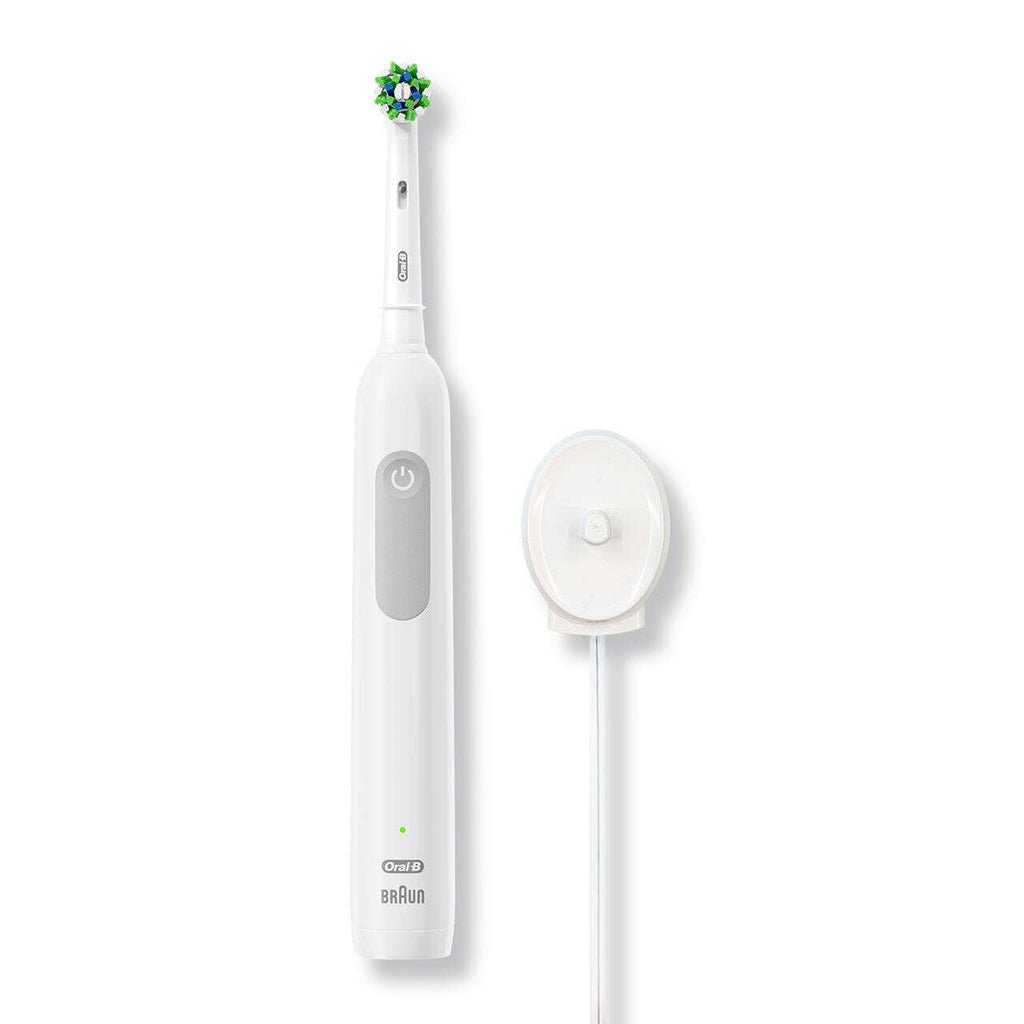
The Pro 1000 is the best-selling electric toothbrush formula refined over a decade: 3D cleaning action (oscillates, rotates, pulsates) through the CrossAction head with 16-degree angled bristles, a pressure sensor that stops pulsations when you brush too hard, and an in-handle 2-minute timer. One mode, no apps, no nonsense — and a clean that converted millions from manual brushing.
- Cleaning: 3D action (oscillate/rotate/pulsate); CrossAction head; Daily Clean mode
- Protection: Pressure sensor stops pulsation on over-brushing
- Timer: In-handle 2-minute timer with 30-second quadrant alerts
- Compatibility: Works with the full Oral-B (non-iO) head range
Pros: The cheapest proven upgrade from manual brushing here; the 3D cleaning action feels powerful and effective; enormous head compatibility — every Oral-B head type fits; dead simple: charge it, brush, done; decades of owner history mean no surprises.
Cons: Single mode — what you see is what you get; louder and more “mechanical” feeling than sonic brushes; no travel case included; the basic charger is slow; replacement heads add up — factor them into the true cost.
Oral-B Pro 1000 — Check Price on Amazon →
AquaSonic Vibe Series — Best Budget Sonic Alternative
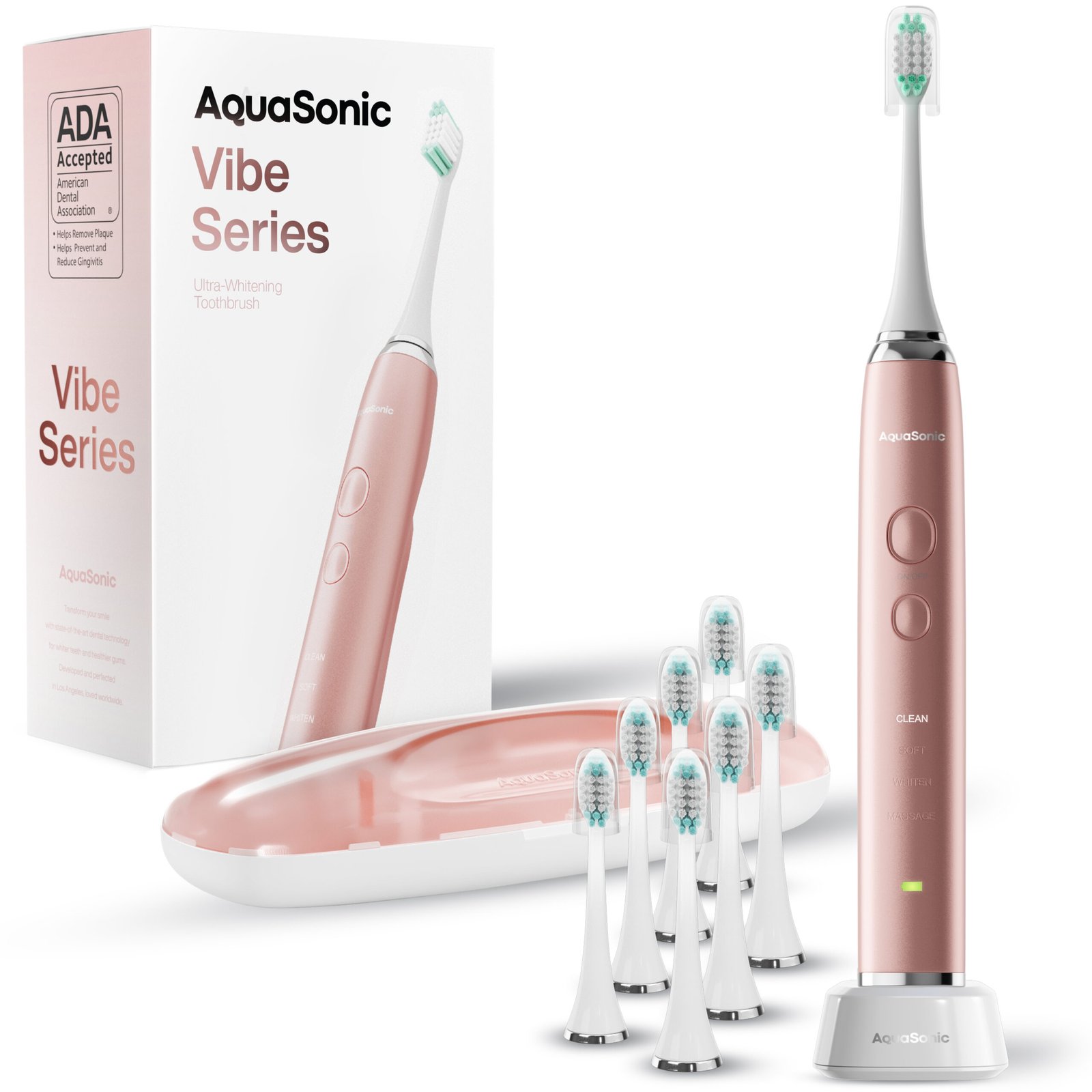
AquaSonic built its reputation on packing flagship-style specs into budget prices: a 40,000 VPM motor, 4 brushing modes, smart vibrating timers, wireless charging, and IPX7 waterproofing — plus 8 DuPont brush heads and a travel case in the box. The brand notes the Vibe Series carries the ADA Seal of Acceptance.
- Cleaning: 40,000 VPM sonic motor; 4 modes (including whitening and gum-care); smart timer
- Battery: Brand claims 4 weeks per charge (2 min, 2× daily); ultra-fast wireless charging
- Value: 8 brush heads + travel case included — ~2 years of heads
- Build: Slim lightweight handle; IPX7 waterproof; ADA Seal of Acceptance (brand’s claim)
Pros: Absurd value — 8 heads alone would cost more than the brush from big brands; the 4 modes and timers cover the useful smart features; wireless charging at this price is rare; slim, attractive handle; the ADA seal adds credibility most budget brands lack.
Cons: No pressure sensor — the most-missed feature at this tier; long-term durability data is thinner than Philips/Oral-B’s decades; proprietary heads mean you’re locked into their ecosystem; the 4-week battery claim is best-case; brand support network is smaller.
AquaSonic Vibe Series — Check Price on Amazon →
How to Choose the Best Electric Toothbrushes
1. Sonic vs oscillating is mostly preference. Sonic brushes (Philips, AquaSonic) vibrate side-to-side at high frequency with a sweeping feel; oscillating brushes (Oral-B) rotate and pulsate with a scrubbing feel. Both clean effectively — the “better” one is the one you’ll use twice daily for two minutes. If possible, try the feel before committing.
2. Prioritize the pressure sensor. Brushing too hard is the most common technique flaw, and it damages gums over time. A pressure sensor — which alerts you or reduces power — is the single most useful “smart” feature, and it’s available well below flagship prices (Sonicare 4100, Pro 1000).
3. Count the true cost: replacement heads. Heads should be replaced every 3 months, and big-brand heads are expensive. A budget brush with pricey heads can cost more over two years than a mid-range brush with cheap heads. The AquaSonic’s 8 included heads are a genuine long-term saving.
4. Be honest about smart features. App coaching, mouth maps, and AI guidance are excellent for the first month — then most owners stop opening the app. If you’re motivated by data, the flagships deliver; if you’ll ignore the app, buy the cleaning performance and skip the connectivity premium.
5. Battery life matters for travelers. Two weeks (Philips) versus shorter spans changes the travel experience — no charger to pack. If you travel often, prioritize long battery life and a travel case; the 9900 Prestige and 4100 both excel here.
6. Modes beyond “clean” are nice, not necessary. Whitening, gum-care, and sensitive modes adjust intensity and timing, but the core cleaning action is the same. One good mode used properly beats five modes used carelessly. Don’t pay a premium for modes alone.
Who Should Buy Which Brush?
Buy the Sonicare 9900 Prestige if you:
- Want the most advanced brushing guidance available
- Brush too hard and need adaptive protection
- Love data and will actually use the app coaching
Buy the Oral-B iO Series 9 if you:
- Prefer the oscillating round-head cleaning feel
- Want the most modes and the color display
- Value the 4-head bundle delaying replacement costs
Buy the Sonicare 4100 if you:
- Want the best value — core sonic performance, pressure sensor, 2-week battery
- Don’t care about apps or coaching
Buy the Oral-B Pro 1000 if you:
- Want the cheapest proven electric clean
- Like the powerful oscillating feel
- Are buying your first electric brush
Buy the AquaSonic Vibe if you:
- Want maximum features-per-dollar and 2 years of included heads
- Prefer the slim sonic handle style
Skip the flagships if you’ll never open the app — the 4100 or Pro 1000 clean just as well in daily use. Skip oscillating if you’ve tried it and hated the feel (and vice versa for sonic). And whatever you buy, replace the head every 3 months — a worn head on a great brush cleans like a mediocre one.
Complete your routine: our LED bathroom mirrors guide upgrades the sink area, our pillows roundup covers better sleep, and insulin cooler travel cases (several with travel-friendly designs) round out the health category.
Frequently Asked Questions About Electric Toothbrushes
Are electric toothbrushes really better than manual?
Yes — the evidence consistently favors powered brushing for plaque removal, largely because built-in timers ensure the full two minutes and the brush does the motion work. But technique still matters: a careful manual brusher beats a careless electric one.
Sonic vs oscillating: which cleans better?
Both are effective, and studies don’t crown a clear winner for the average user. The practical difference is feel: sonic is a high-frequency sweeping vibration, oscillating is a rotating scrub. Choose the sensation you prefer — you’ll use the brush more consistently.
How often should I replace the brush head?
Every 3 months, or sooner if bristles look splayed. Worn bristles clean poorly regardless of the handle’s technology. BrushSync reminders (Philips) and app alerts (Oral-B) automate the tracking if you’ll forget.
Do I need the app and smart features?
No — they’re coaching tools, not cleaning tools. The brush cleans the same with the app uninstalled. They’re most valuable for heavy-handed brushers (pressure feedback) and people who like quantified routines. Everyone else can save the money.
Why are replacement heads so expensive?
It’s the razor-and-blades model: handles are often sold near cost, heads carry the margin. Budget for it — 4 heads a year at big-brand prices adds up. Third-party and subscription heads exist, but stick to reputable ones; cheap bristles can be harsh.
Can electric toothbrushes damage gums or enamel?
Used correctly, no — they’re gentler than aggressive manual brushing. The risk is pressing too hard, which is exactly what pressure sensors prevent. Use light pressure, let the brush do the work, and choose a sensitive mode if your gums are tender.
Final Verdict: Best Electric Toothbrushes
The Philips Sonicare 9900 Prestige is the most capable electric toothbrush here — AI guidance, adaptive pressure sensing, and premium everything make it the flagship to beat. If you want the best and will use the smarts, it’s the pick. After comparing all the options, this remains our top recommendation for the best electric toothbrushes.
For everyone else, the value champions win: the Sonicare 4100 delivers the essential sonic experience (pressure sensor, timers, 2-week battery) at a mid-range price, and the Oral-B Pro 1000 remains the budget king — a proven clean for the price of a few coffees a month in heads.
As an Amazon Associate we earn from qualifying purchases. Prices and availability change frequently — see Amazon for the latest.
How we researched: We compared specifications from current Amazon listings (verified October 2026), aggregated pros and cons from verified-purchase reviews and oral-care communities, and scored cleaning fundamentals, genuinely useful smart features, battery life, ongoing head costs, and value per tier. Brand performance claims (e.g. plaque-removal percentages) are the manufacturer’s own marketing and were not independently verified by us. We did not receive free products from any brand. Last updated: October 13, 2026.
Manufacturer resources for electric toothbrushes: Philips, Oral-B.
Related Guides

Pingback: Best Insulin Cooler Travel Cases (2026) - Products Buy Reviews