


⭐ Our Top Pick for Newborns: Ergobaby Omni Breeze — 4.7/5
Best for: Newborns 7–45 lbs with no infant insert needed — mesh airflow keeps both of you cool from day one.
Skip if: You want a wraparound fabric feel or a forward-facing seat for an older baby later — the Baby Tula Explore covers that.
As an Amazon Associate we earn from qualifying purchases. How we research.
Best Baby Carriers for Newborns (2026) — 6 Compared
A newborn carrier is the single most-used piece of baby gear in the first six months — if it fits right, your baby sleeps against your chest while you get your hands back. If it fits wrong, it’s an expensive closet decoration and a sore back.
We compared 6 structured and hybrid carriers specifically through a newborn lens: safe hip positioning (the “M” position pediatric orthopedists recommend), newborn readiness without fiddly inserts, head and neck support, breathability, and what real owners say after months of daily wear. Specs were verified against current Amazon listings (October 2026); pros and cons are aggregated from verified-purchase reviews and parent forums.
The short answer: the Ergobaby Omni Breeze wins for most newborn families — true 7-lb newborn readiness with no insert, all-mesh airflow, and four carry positions that grow with your baby to 45 lbs. If you want a premium fabric feel and award-level comfort, the BabyBjörn Harmony is the luxury pick.
As an Amazon Associate we earn from qualifying purchases.
Quick Comparison of the Best Baby Carrier
| Product | Best for | Newborn-ready | Weight range | Price tier |
|---|---|---|---|---|
| Ergobaby Omni Breeze | Newborns (top pick) | Yes — no insert | 7–45 lbs | Mid-range |
| Baby Tula Explore | Forward-facing later | Yes — no insert | 7–45 lbs | Mid-range |
| BabyBjörn Harmony | Premium comfort | Yes — newborn setting | 7–40 lbs | Premium |
| BabyBjörn Carrier One Air | Hot climates | Yes — from ~8 lbs | 8–33 lbs | Premium |
| Stokke Limas Carrier Flex | Half-buckle fans | Yes — newborn panel | Newborn–toddler | Mid-range |
| Ergobaby 360 All Positions | Value pick | Insert needed under 12 lbs | 12–45 lbs | Budget |
Prices change frequently — click through to see the current price.
Detailed Baby Carrier Reviews
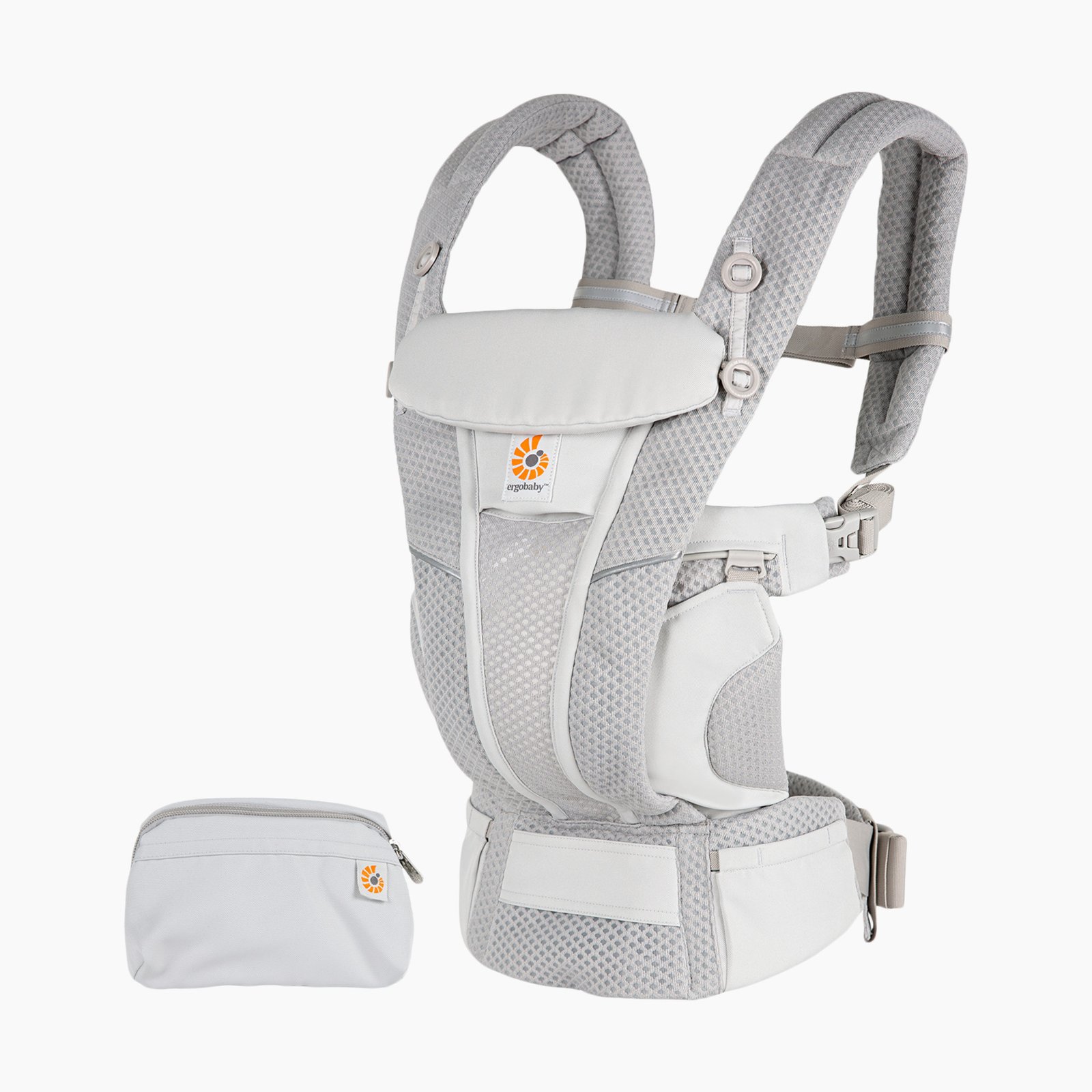
1. Ergobaby Omni Breeze — Best for Newborns (Top Pick)
The Omni Breeze is the carrier we’d hand to a first-time parent with a newborn: it fits babies from 7 lbs with no infant insert, the entire body panel is breathable mesh, and the seat adjusts so a newborn’s knees sit higher than their bottom — the “M” position pediatric orthopedists want to see. Four carry positions (inward, outward, hip, back) mean it stays useful to 45 lbs, well into toddlerhood.
- Weight range: 7–45 lbs — true newborn readiness, no insert to buy
- Positions: 4 (front-in, front-out, hip, back)
- Fabric: All-over mesh body panel; Lumbar support waistband
- Extras: Adjustable head support with privacy hood; detachable pouch
Pros: Genuinely newborn-ready out of the box; mesh keeps both of you cool (a real issue with padded carriers); huge owner base means fit questions are well answered online; grows to 45 lbs so you won’t outgrow it in a year.
Cons: Mesh is less cozy-feeling than padded carriers like the Harmony; the waistband runs bulky on very petite frames; at the higher end of the mid-range price tier.
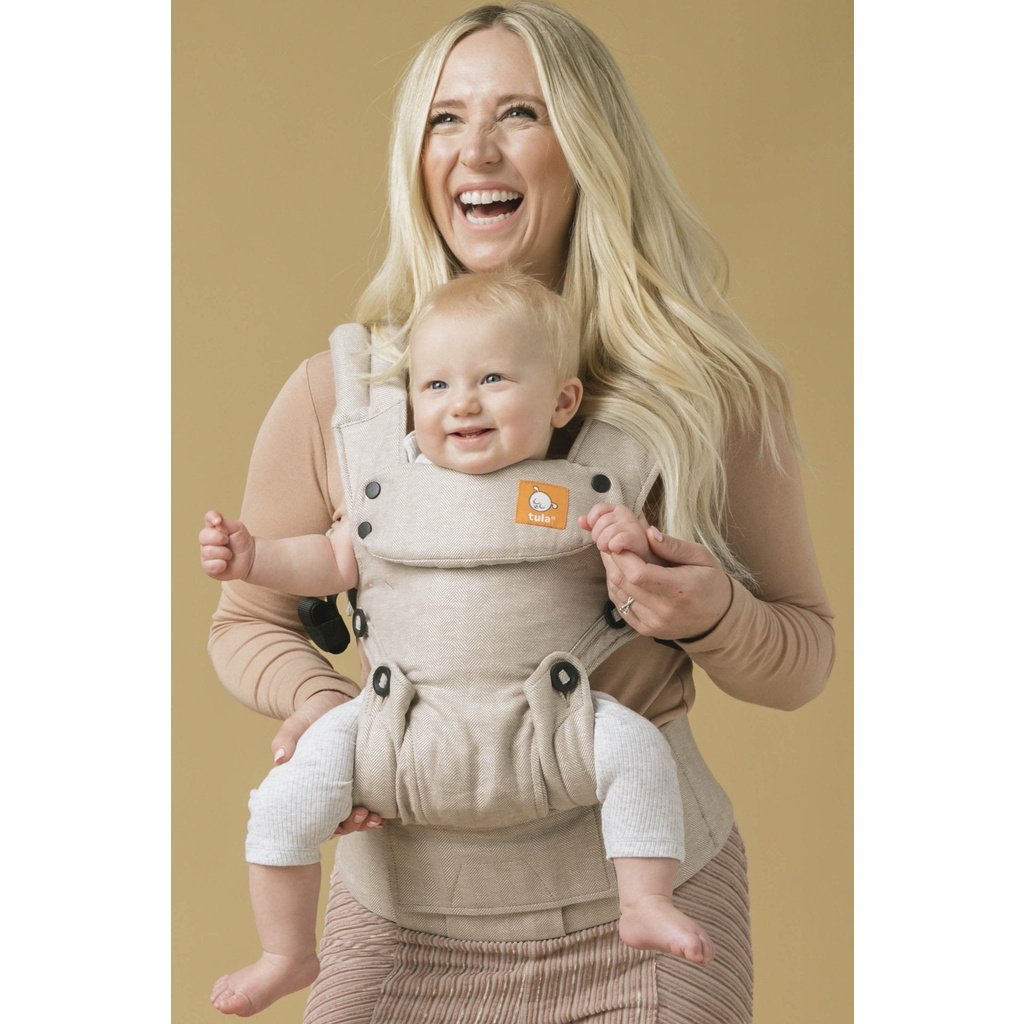
2. Baby Tula Explore — Best for Forward-Facing Later
If you know you’ll want a forward-facing (world-facing) option once your baby has head control, the Tula Explore is the most thoughtful pick: it adjusts from newborn to toddler with no infant insert, and the seat width adjusts in three positions so the M-position is maintained at every size. The mesh panel keeps airflow high, and Tula’s linen-look fabrics feel noticeably softer than standard carrier canvas.
- Weight range: 7–45 lbs — no insert needed
- Positions: 3 (front-in, front-out, back) — no hip carry
- Fabric: Mesh panel option; linen-look cotton blends
- Design: Adjustable seat width; removable snap-on hood
Pros: One of the few carriers that does forward-facing well (wide seat, good weight distribution); beautiful fabric options; no insert to lose or outgrow.
Cons: No hip-carry position (the Omni Breeze has it); the learning curve on the adjustable seat is real — read the manual; price can vary between retailers, so compare before buying.

3. BabyBjörn Harmony — Premium Pick
The Harmony is BabyBjörn’s flagship for a reason: a newborn-ready setting from 7 lbs, ultra-soft 3D mesh, and a back support that genuinely unloads your shoulders — owners consistently describe it as the most comfortable carrier they’ve worn for hours. It carries newborns through age 3, and the fabric is machine washable (non-negotiable with a newborn).
- Weight range: 7–40 lbs (newborn–3 years)
- Positions: 4 (front-in newborn, front-in, front-out, back)
- Fabric: 3D mesh — soft, breathable, quick-drying
- Design: Padded back support; adjustable head support; machine washable
Pros: The comfort benchmark — best shoulder/back support here; luxurious fabric feel; simple, intuitive adjustments with no panel fiddling.
Cons: Premium price tier — the most expensive here; 40-lb max is lower than Ergobaby’s 45; fabric can show wear faster than canvas carriers.

4. BabyBjörn Carrier One Air — Best for Hot Climates
Live somewhere warm — or run hot yourself? The One Air is essentially the classic Carrier One rebuilt in airy mesh: same four carry positions and newborn compatibility from about 8 lbs, but dramatically cooler against your body. With a strong 4.6-star owner rating across nearly a thousand reviews, it’s one of the most owner-tested carriers here.
- Weight range: ~8–33 lbs (3.5–15 kg)
- Positions: 4 (front-in newborn, front-in, front-out, back)
- Fabric: Mesh throughout — BabyBjörn’s coolest-wearing carrier
- Design: Sturdy waist belt; padded shoulder straps; adjustable head support
Pros: Best heat management in the roundup — a genuine difference in summer; very sturdy waist belt transfers weight to hips; trusted by nearly a thousand reviewers.
Cons: 33-lb max weight is the lowest here — toddlers outgrow it sooner; bulkier than the Harmony; the newborn leg position needs careful setup (follow the manual exactly).
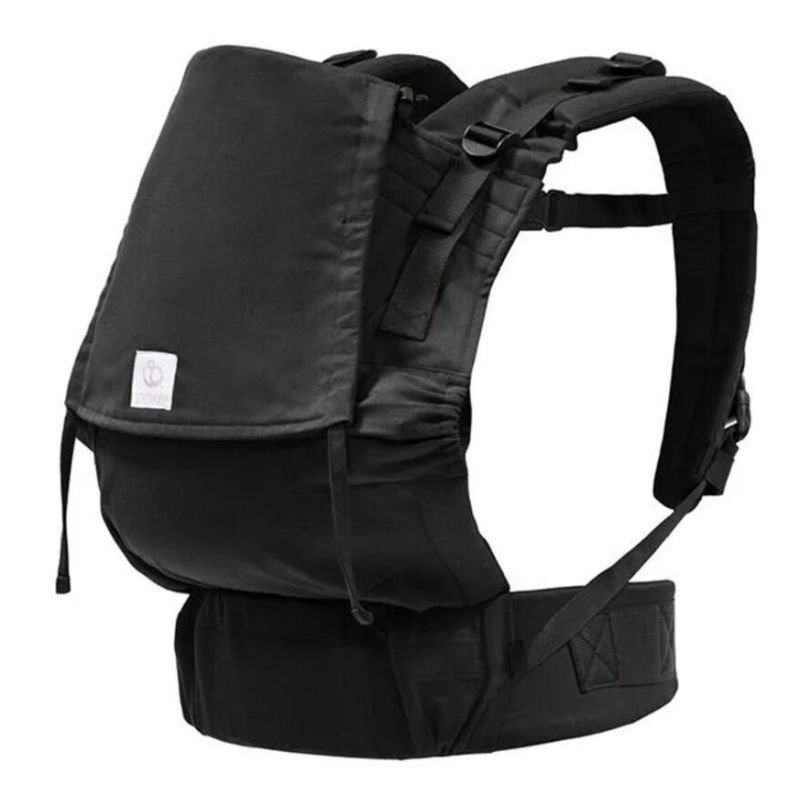
5. Stokke Limas Carrier Flex — Best Half-Buckle
Half-buckles split the difference between a structured carrier and a wrap: a buckled waistband for support, tie-on shoulder straps for a custom fit. The Limas Flex does this elegantly with a newborn-ready panel, growing from the first weeks to toddlerhood. If buckles dig into you or wraps feel too fiddly, this middle path is worth a look.
- Weight range: Newborn to toddler (adjustable panel)
- Style: Half-buckle — buckled waist, tie-on shoulders
- Fabric: Soft structured cotton; Stokke’s minimalist Scandinavian design
- Design: Adjustable seat; supportive headrest for newborns
Pros: The tie-on straps conform to any body shape — great for petite or plus-size wearers; less hardware against your body than full buckles; grows with baby, good long-term value.
Cons: Long straps drag on the ground while tying (annoying in parking lots); no forward-facing position; less widely reviewed than the Ergobaby/BabyBjörn options, so fit advice is thinner.
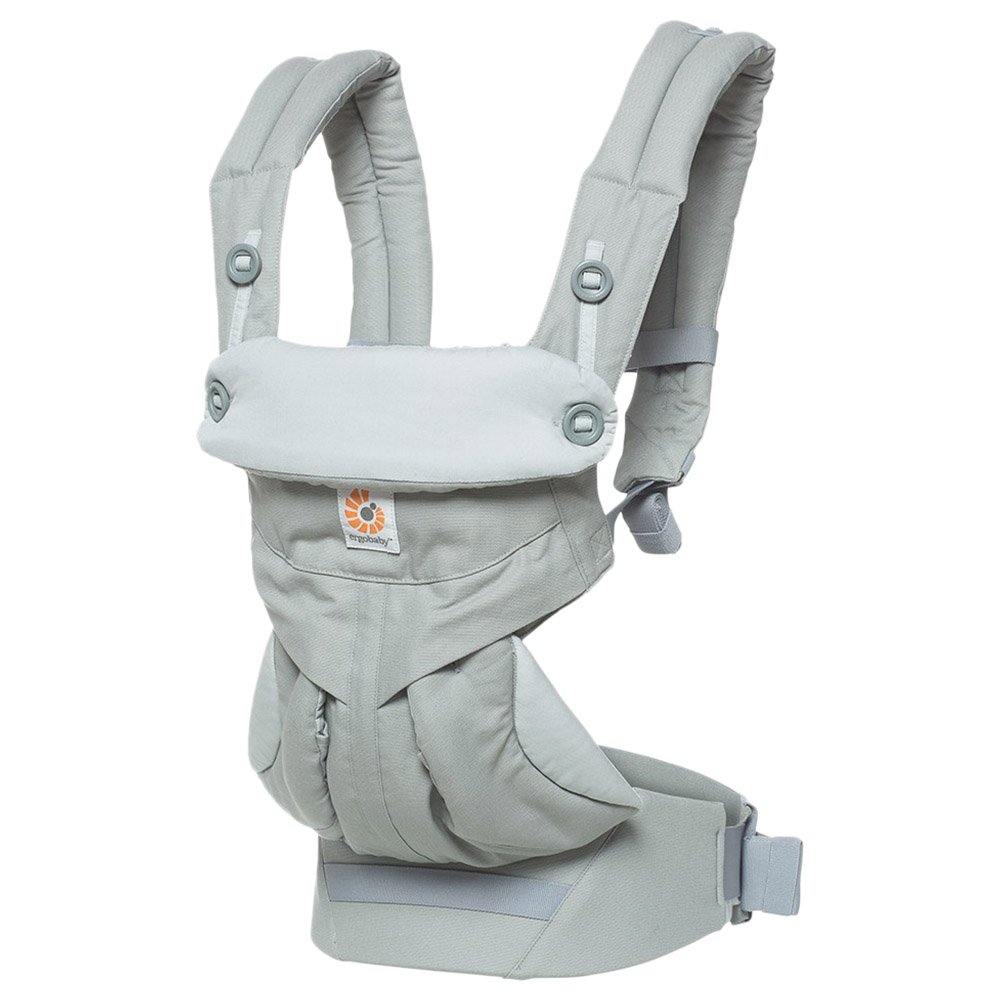
6. Ergobaby 360 All Positions — Best Value
The 360 is the classic Ergobaby workhorse and the most affordable carrier here — but read the fine print: it’s rated 12–45 lbs, so newborns under 12 lbs need a separate infant insert (sold separately). If your baby is already past the tiny-newborn stage, or you don’t mind buying the insert, it’s tremendous value: four positions, structured support, huge owner community.
- Weight range: 12–45 lbs (infant insert required under 12 lbs)
- Positions: 4 (front-in, front-out, hip, back)
- Fabric: Premium cotton; structured waistband with lumbar support
- Design: Adjustable bucket seat; extra-padded shoulder straps
Pros: Best price tier here by a clear margin; proven durability — these last through multiple kids; excellent back/hip support for longer wears.
Cons: Not newborn-ready out of the box — budget an insert for babies under 12 lbs; cotton is warmer than the Omni Breeze’s mesh; bulkier to pack in a diaper bag.
How to Choose the Best Baby Carrier
When choosing a baby carrier for a newborn, look for wide padded straps, an adjustable waistband, and proper head support. The best baby carrier models distribute weight evenly so your back does not ache. Every baby carrier on our list was picked for newborn comfort and safety.
Newborn readiness is the first filter. A carrier is only newborn-safe if it holds a baby under ~12 lbs with knees higher than bottom (the “M” or spread-squat position) and supports the head and neck. The Omni Breeze, Tula Explore, Harmony and One Air do this out of the box; the Ergobaby 360 needs an infant insert below 12 lbs. If a carrier’s minimum weight is 12 lbs and it has no newborn setting, it’s not a newborn carrier — no matter what the photos show.
The M-position matters for hips. Pediatric orthopedists recommend carriers that let a newborn’s thighs spread with knees bent above the bottom, rather than dangling straight down. All six picks here support this when adjusted correctly — the key phrase is when adjusted correctly, so spend ten minutes with the manual and a mirror the first time.
Face-in only for newborns. Forward-facing is for babies with strong head and neck control (typically 5–6+ months, per manufacturer guidance). Every pick here carries newborns facing inward — that’s the only safe option at this age — and the Tula Explore, Omni Breeze and BabyBjörn models add forward-facing for later.
Breathability is underrated. Newborns run warm and you’ll be wearing this for hours: mesh panels (Omni Breeze, One Air, Harmony, Tula mesh) make a real comfort difference, especially in warm climates or summer babies.
Fit the wearer, not just the baby. Try the waistband and shoulder straps if you can — petite wearers often swim in one-size carriers (the Stokke Limas Flex’s tie-on straps are the most adaptable here), while taller wearers may want the longer straps of the Ergobaby models.
Safety basics: keep baby’s airway visible and kissable (chin off chest), snug enough that baby doesn’t slump, and never wear a carrier while cooking, driving, or doing anything with a fall risk.
Who Should Buy a Newborn Carrier?
Buy if you:
- Have a newborn or are expecting — daily babywearing starts in week one
- Want hands-free contact naps, walks, and chores
- Have a c-section recovery or back issues that make a structured carrier’s support worth it (the Harmony’s back support is the standout)
Skip (save your money) if you:
- Only want a carrier for occasional use — a simple stretchy wrap costs far less (though it’s out of this roundup’s $100+ scope)
- Your baby is already sitting unassisted — you don’t need newborn-specific features; shop toddler carriers instead
- You strongly prefer wrap-style tying — look at woven wraps rather than these structured options
Once your little one starts crawling and pulling up, your safety priorities shift — see our guide to the best baby gates for stairs for what comes next.
Frequently Asked Questions About Baby Carrier
When can I start using a baby carrier with my newborn?
From birth, provided the carrier is rated for your baby’s weight (typically 7–8 lbs minimum) and holds them in the M-position with head support. All the picks here except the Ergobaby 360 are newborn-ready without an insert; the 360 needs its infant insert under 12 lbs.
What’s the difference between a wrap and a structured carrier?
Wraps are long fabric panels you tie (soft and cozy, but a learning curve and usually under $100). Structured carriers like these six use buckles, waistbands, and padded straps — faster to put on, more supportive for longer wears, and easier to hand to a partner or grandparent.
How long can a newborn stay in a carrier?
Follow the “kissable, visible, snug” rule and take breaks: many parents limit continuous newborn wearing to about an hour at a stretch, checking airway and position each time. Ask your pediatrician if your baby was premature or has breathing concerns.
Is forward-facing safe for newborns?
No — newborns should always face inward until they have strong, sustained head and neck control (manufacturers typically say 5–6 months minimum). Forward-facing a newborn risks airway compromise and poor hip positioning.
Do I really need the infant insert for the Ergobaby 360?
Yes, for babies under 12 lbs — without it, a small newborn sits too low and can’t achieve the M-position safely. Factor the insert’s cost into the 360’s otherwise excellent value.
Which carrier is best for hot weather?
The BabyBjörn Carrier One Air and Ergobaby Omni Breeze — both are essentially all-mesh, and owners in warm climates consistently rate them the coolest-wearing options.
Final Verdict: Best Baby Carrier
For most newborn families, the Ergobaby Omni Breeze is the smart buy: true newborn readiness from 7 lbs with no insert, breathable mesh, four carry positions, and a 45-lb ceiling that carries you into toddlerhood. After comparing all the options, this remains our top recommendation for the best baby carrier.
If comfort is worth a premium, the BabyBjörn Harmony is the most comfortable carrier here by owner consensus, and the Baby Tula Explore is the pick if forward-facing matters to you down the road. Budget-conscious parents whose baby is past 12 lbs should grab the Ergobaby 360 — just don’t skip the infant insert for a true newborn.
As an Amazon Associate we earn from qualifying purchases. Prices and availability change frequently — see Amazon for the latest.
How we researched: We compared specifications from current Amazon listings (verified October 2026), aggregated pros and cons from verified-purchase reviews and parent forums, and weighted everything for newborn needs (hip-safe positioning, newborn readiness, breathability). We did not receive free products from any brand. Last updated: October 13, 2026.
Manufacturer resources for baby carriers: Ergobaby, BabyBjörn, Stokke.


Pingback: Best Travel Strollers Under $200 (2026) — 7 Compared
Pingback: Best Cribs for Small Apartments (2026): 6 Compared
Pingback: Best Lightweight Strollers for Newborns (2026)